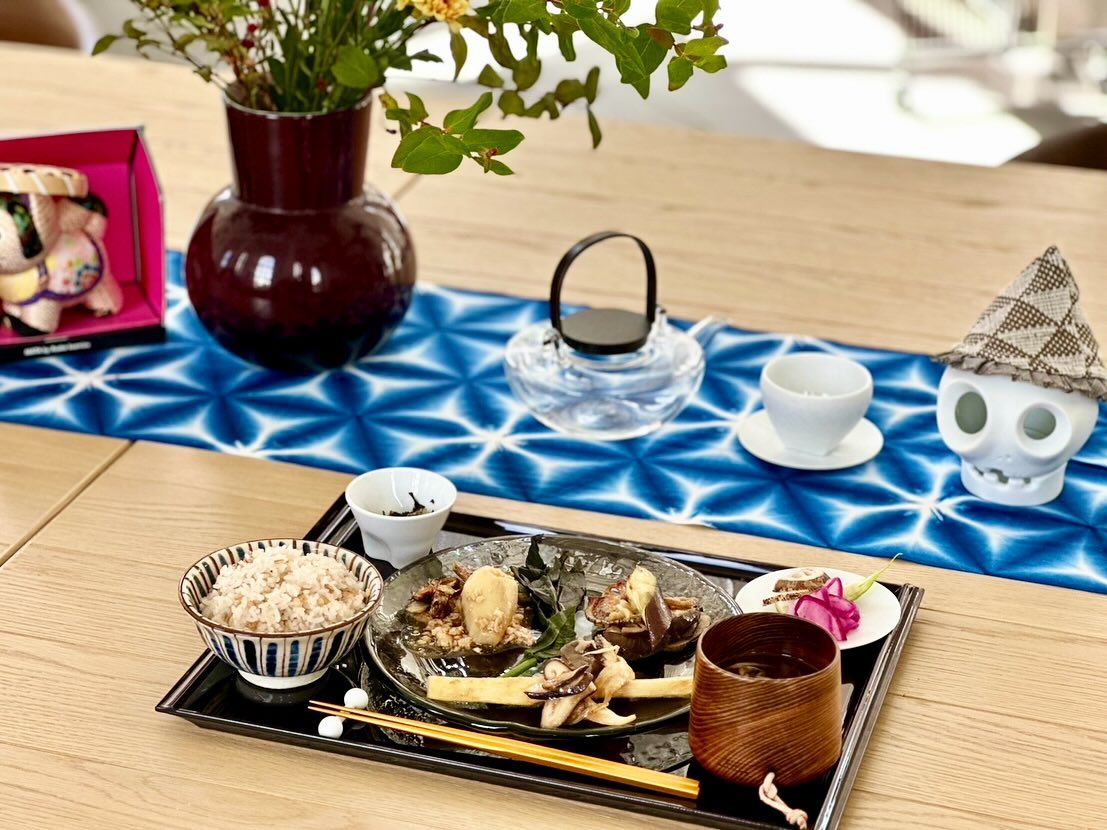
Washi
Washi is Japanese paper made by forming long plant fibres — kozo (paper mulberry), mitsumata and gampi — in water. Even when thin it is hard to tear, softly translucent and lasts for centuries. In 2014, Japanese handmade washi techniques were inscribed on UNESCO’s list of Intangible Cultural Heritage.
Where washi came from
Papermaking came to Japan from China. The Nihon Shoki, written in 720, records that a monk from the Korean Peninsula introduced Chinese papermaking in 610, but it probably arrived earlier, with Buddhism, in the mid-6th century.
The oldest surviving paper in Japan was used for a family register from Mino (today’s Gifu) in 702 and is kept in the Shosoin repository in Nara. Paper more than 1,300 years old still survives.
Why a distinctly Japanese paper developed
Paper from China used hemp and similar fibres. Hemp was hard to break down into fibre, so Japan developed techniques using plants that grew close at hand: kozo, mitsumata and gampi.
Japan also developed its own method, nagashi-zuki, in which the papermaker rocks the mould back and forth and side to side so the fibres interlock in many layers. The long, tangled fibres make paper that is thin yet strong and long-lasting. Mountain valleys rich in clean water became papermaking centres across the country.
The three UNESCO papers
In 2014, the techniques for Sekishu-banshi (Shimane), Hon-minoshi (Gifu) and Hosokawa-shi (Saitama) — made traditionally, using only kozo — were inscribed by UNESCO as “Washi, craftsmanship of traditional Japanese hand-made paper”.
Sekishu-banshi comes from the Iwami region, where paper was already made in the early 10th century; in the Edo period Osaka merchants prized it for their ledgers. It uses kozo grown for three years and an unusual process that keeps the inner bark, giving exceptionally strong paper.
Hon-minoshi is the finest Mino paper. Only paper meeting strict standards, such as using solely Daigo-Nasu kozo from Ibaraki, may carry the name. It is light, strong, smooth and immaculately clean.
What makes washi distinctive
Washi’s defining trait is its long, interlocking plant fibres, which make it hard to tear even when thin and slow to deteriorate over centuries. That is why conservators around the world use washi to restore cultural treasures.
Its soft translucency suits shoji screens and lighting, and today it is used for calligraphy, letter paper, business cards, wrapping and interiors.
How to choose and care
Each sheet of handmade washi differs in thickness and character. Start with small things such as letter paper, cards or gift envelopes. Store away from humidity and direct sunlight to keep it beautiful for years.
Sources
MAKERS
Makers
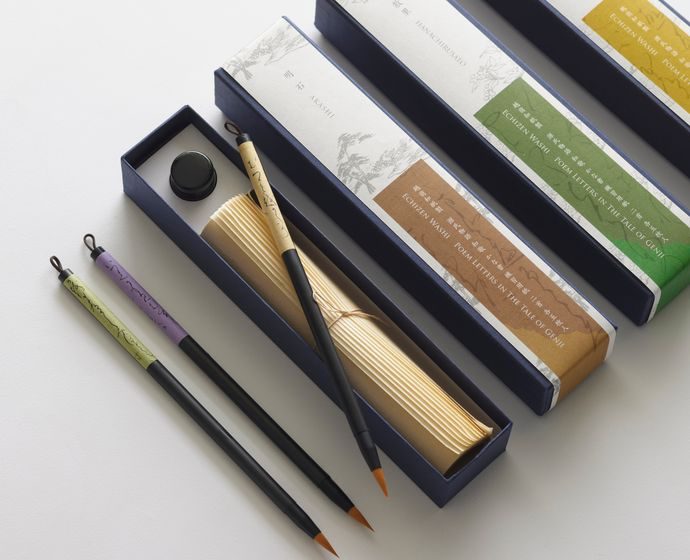 Echizen, FukuiIshikawa Paper石川製紙Echizen washi and paper goods
Produces custom Echizen washi, develops functional papers and sells small paper goods.
WebsiteOnline shop ↗Ships overseas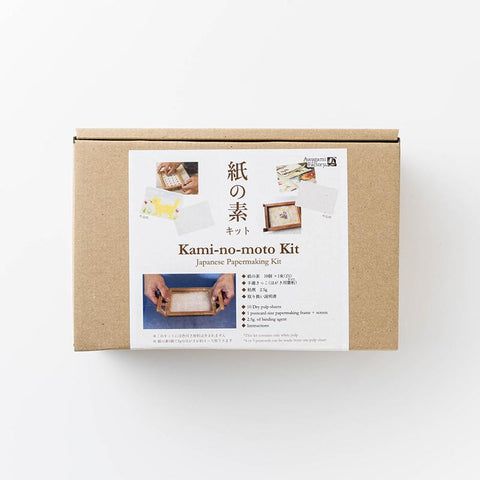 Yoshinogawa, TokushimaAwagami FactoryアワガミファクトリーAwa washi
Offers Awa washi for printmaking, watercolor and inkjet printing, plus wallcoverings and stationery.
WebsiteShips overseas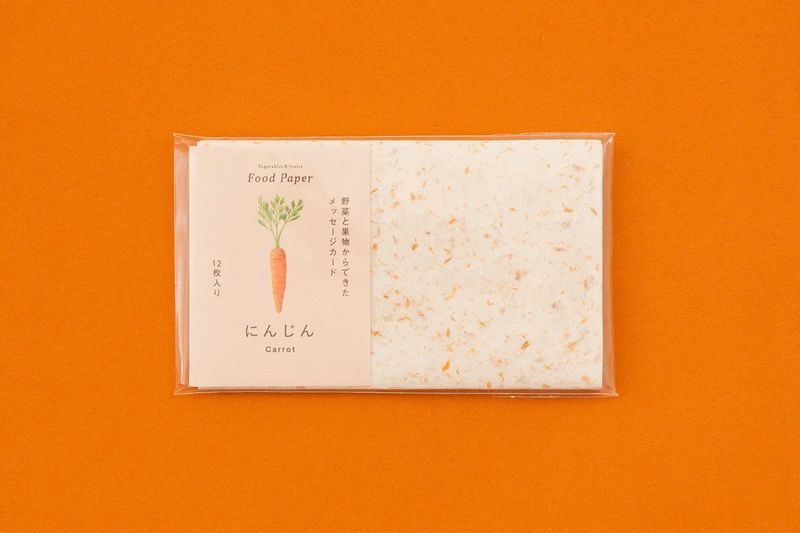 Echizen, FukuiIgarashi Paper五十嵐製紙Echizen washi
Makes Echizen washi and Food Paper stationery using discarded vegetables and fruit as raw materials.
WebsiteOnline shop ↗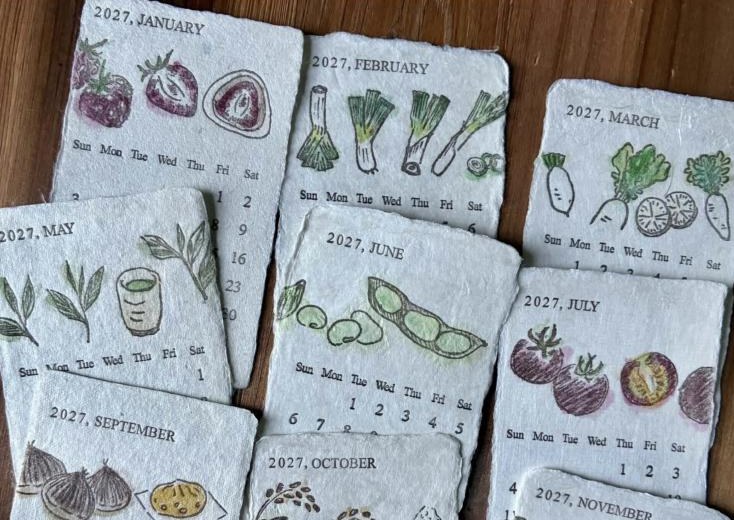 Mino, GifuMarujyu Paper丸重製紙Mino washi
Makes machine-produced Mino washi in small batches, including ceramic transfer paper and lantern paper.
WebsiteOnline shop ↗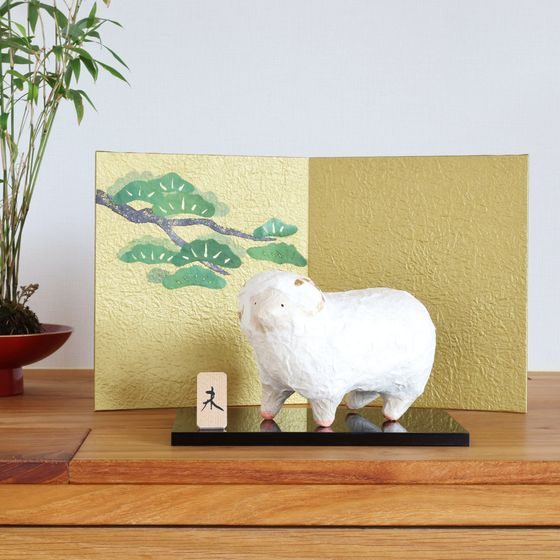 Ichikawadaimon, YamanashiONAO / Medetaya大直・めでたやWashi seasonal decorations
Creates washi decorations for New Year, seasonal festivals and other Japanese celebrations.
WebsiteOnline shop ↗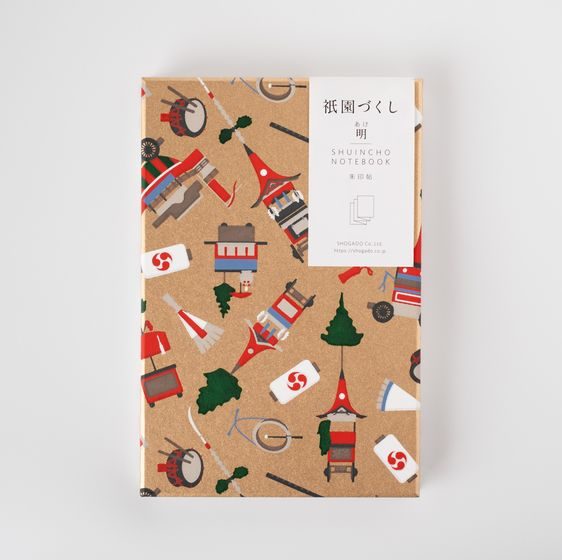 KyotoShogado尚雅堂Washi stationery and boxes
Makes washi stationery including shikishi boards, tanzaku strips, goshuin books and gift envelopes.
WebsiteOnline shop ↗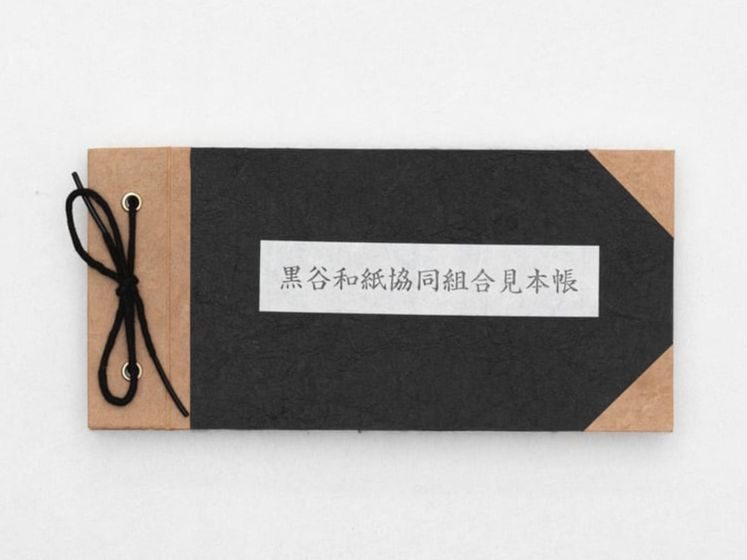 Ayabe, KyotoKurotani Washi Cooperative黒谷和紙協同組合Kurotani handmade washi
Handmakes washi from Japanese kozo fiber, including crumpled paper and deckle-edged stationery.
WebsiteOnline shop ↗ Tosa, KochiInoue Handmade Washi Studio井上手漉き工房Tosa handmade washi
Handmakes Tosa washi from Japanese kozo, including persimmon-tannin paper and sheets with bark fibers.
WebsiteOnline shop ↗ Saji, TottoriKamingu SajiかみんぐさじInshu handmade washi
Makes handmade Inshu washi paper in Saji, Tottori, and offers papermaking workshops for cards and fans.
WebsiteFAQ
FAQ
How is washi different from Western paper?
Washi's long, interlocking plant fibres make it strong even when thin, and stable for a very long time.
Where can I buy washi online?
Many of the makers listed on this page have their own online shops.