
Bonsai scissors
Bonsai care involves fine tasks — pinching buds, cutting branches, trimming roots — and each has its own scissors. As bonsai has become loved worldwide as BONSAI, Japanese bonsai scissors are in demand abroad too. Their main home is Sanjo in Niigata.
A distinctly Japanese tool
From the Muromachi to the Edo period, X-shaped scissors evolved into distinctly Japanese tools for flower arranging and tending garden trees. Garden and bonsai scissors developed alongside the culture of shaping trees.
Why Sanjo makes scissors
Sanjo became a blacksmiths’ town after farmers plagued by Shinano River floods took up nail-making as a side job in the Edo period. In 1661 the techniques for making saws and hatchets arrived from Aizu, and blades and hardware flourished.
When demand for Japanese nails fell in the Meiji era, Sanjo turned its smithing skills to better carpentry tools and blades. Skills honed on tools for cutting wood carry through to scissors for cutting garden trees and bonsai.
Main types of bonsai scissors
Bonsai scissors come in many forms. Bud-trimming scissors have long, slender tips that slip between branches. There are pruning shears for branches and concave cutters that leave a hollow cut on thicker branches so the wound heals flat.
Root scissors are built tough to cope with soil and grit, and wire cutters for shaping wired branches are also essential.
What makes bonsai scissors distinctive
Sanjo bonsai scissors are forged from steel and their blades finely adjusted to meet precisely. A sharp cut is clean, and a clean cut helps the tree recover quickly — which is why sharpness matters so much in bonsai care.
There are blackened carbon-steel scissors and rust-resistant stainless ones. Carbon steel cuts and sharpens well but needs care.
How to choose and care
For a first pair, slim-tipped bonsai scissors that handle everything from buds to thin branches are easiest. After use, wipe away sap and dirt, and lightly oil carbon-steel blades. Dried sap dulls the edge, so wipe often to keep them cutting well.
Sources
MAKERS
Makers
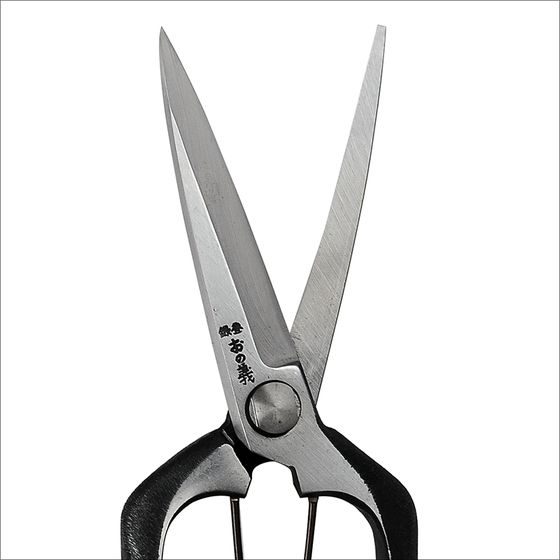 Ono, HyogoOnoyoshi Hamonoおの義刃物Pruning and garden shears
A garden shears manufacturer founded in 1936 in Ono, Hyogo Prefecture.
WebsiteOnline shop ↗Ships overseas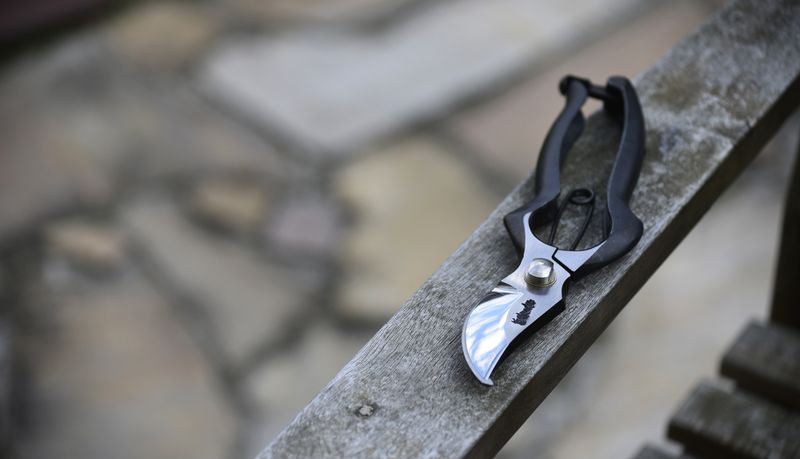 Sanjo, NiigataToyama Hamono外山刃物Pruning and garden shears
Makes forged-steel pruning, bonsai and flower scissors, with sharpening and repair services.
WebsiteShips overseas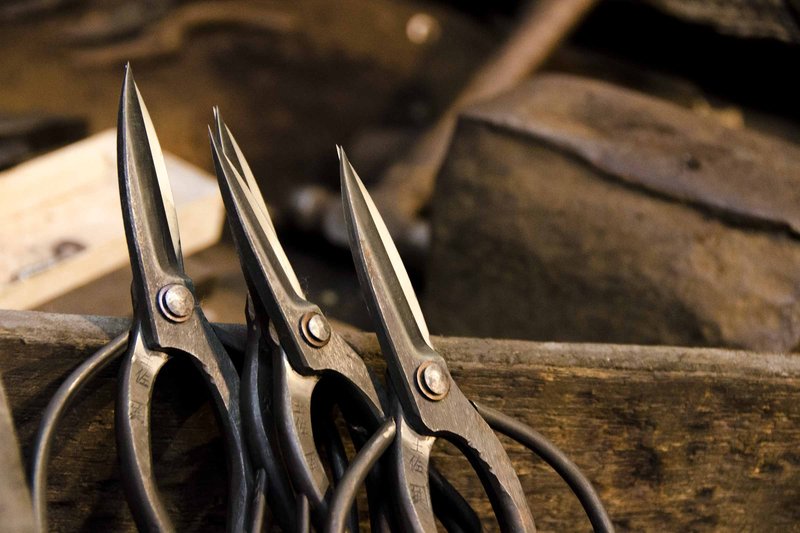 Kochi / InoSasaoka Hasami Seisakusho笹岡鋏製作所Scissors
Hand-forges gardening, flower-arranging and hedge shears using Tosa's free-forging technique.
WebsiteOnline shop ↗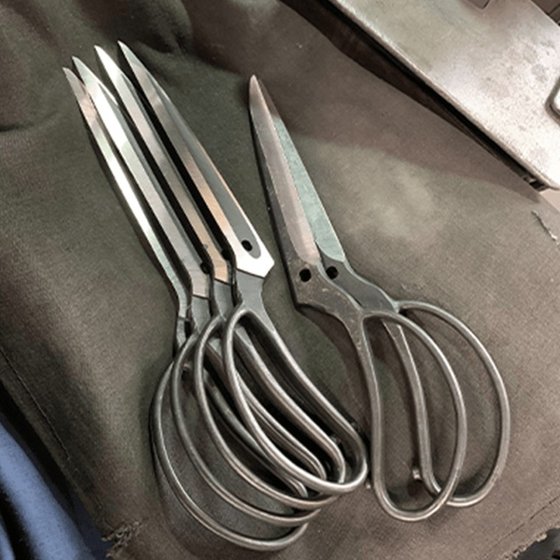 Hyogo / OnoYoshioka Edged-Tool Works吉岡刃物製作所Scissors
Makes gardening shears, specializing in hedge shears with blade alignment adjusted by skilled craftspeople.
WebsiteOnline shop ↗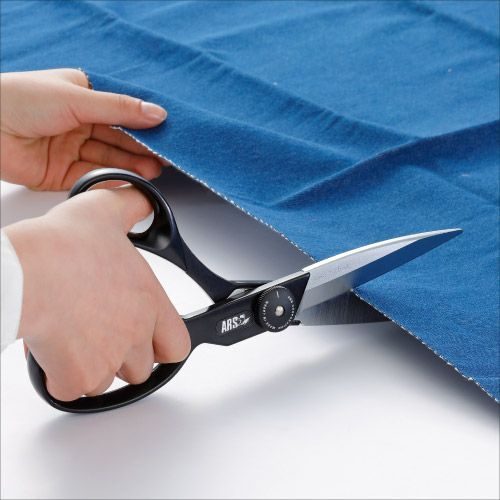 Osaka / SakaiARS CorporationアルスコーポレーションScissors
Sakai-based cutting-tool maker producing pruning shears, hedge shears and powered gardening cutters.
WebsiteOnline shop ↗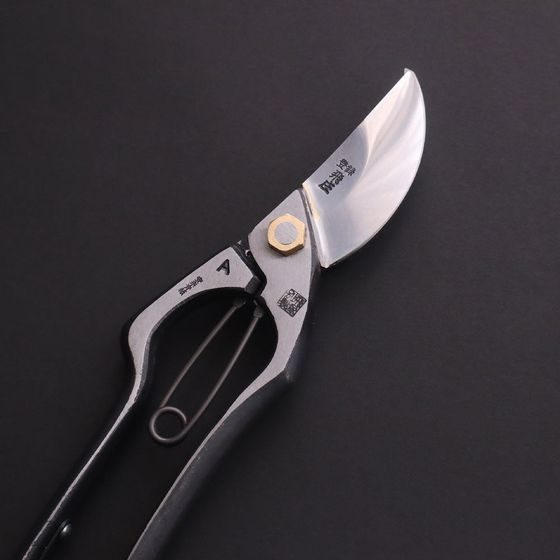 Yamagata / MurayamaTOBISHO飛庄(飛塚製鋏所)Bonsai & garden shears
Makes forged pruning, bud-cutting and hedge shears in Yamagata, including left-handed models.
WebsiteOnline shop ↗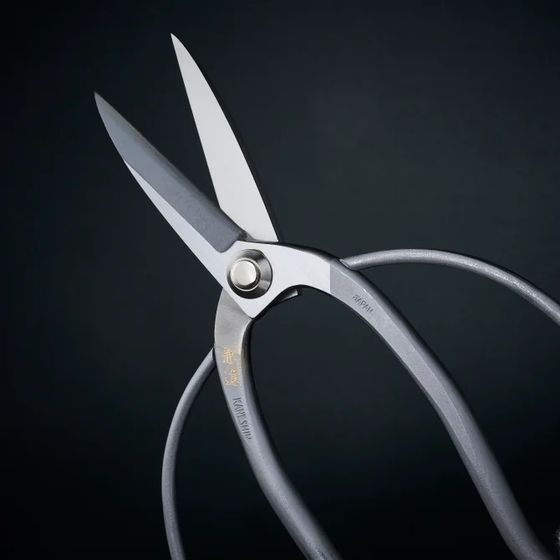 Gifu / SekiKaneshin兼進Bonsai & garden shears
Offers specialized bonsai tools including twig scissors, concave cutters, root cutters and wire cutters.
WebsiteOnline shop ↗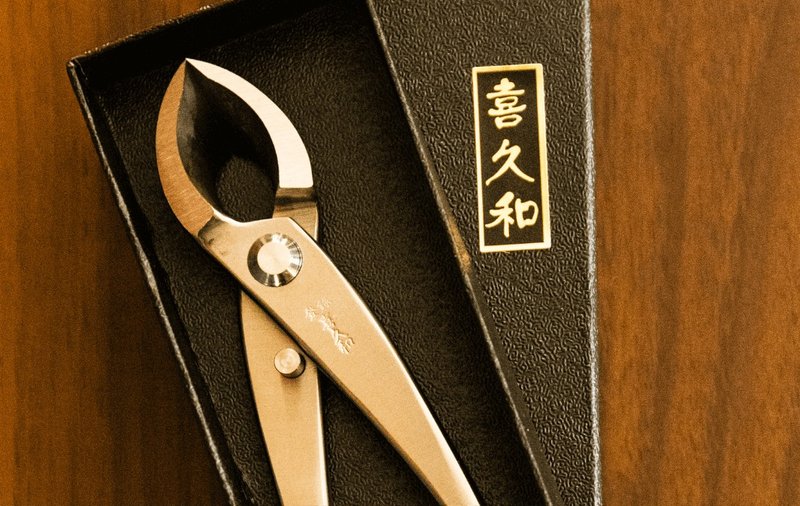 Niigata / SanjoKikuwa喜久和Bonsai & garden shears
Supplies over 150 types of bonsai scissors, inspecting and adjusting each tool before shipping.
WebsiteOnline shop ↗FAQ
FAQ
Which bonsai scissors should a beginner buy?
A medium-sized pair for both bud trimming and thin branches.
Carbon steel or stainless?
Carbon steel for sharpness and easy sharpening; stainless for low maintenance.
How do I remove sap?
Wipe it off the same day. For stubborn sap, use a blade cleaner.