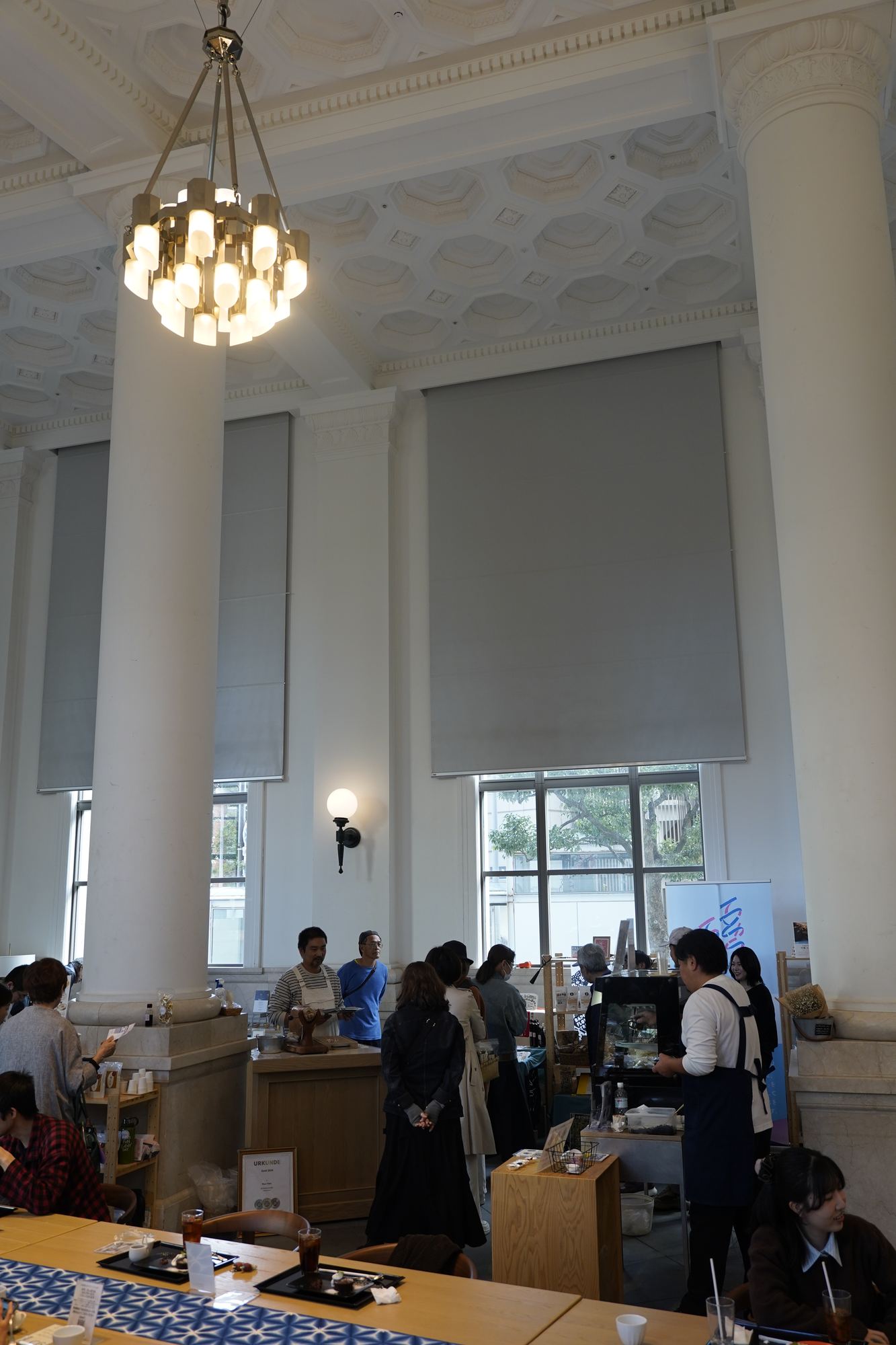
Seki knives
Seki in Gifu Prefecture is a blade town, counted with Solingen in Germany and Sheffield in England as one of the world’s three great cutlery centres. Kitchen knives, scissors, razors and pocket knives all trace back to the Japanese swords prized by warlords of the Sengoku era. Here is why a town of swordsmiths grew up in Seki, and how it became today’s cutlery industry.
Why swordsmiths gathered in Seki
Seki’s blade-making is said to have begun when Motoshige, regarded as the founder of Seki swordsmithing, moved here in search of good materials. Accounts place this in the Kamakura or the Muromachi period.
The land had everything a swordsmith needed: iron sand for steel, clay for differential hardening, pine charcoal for the forge, and the clean, plentiful water of the Nagara and Tsubo rivers. Drawn by these conditions, more than 300 swordsmiths gathered in Seki from the middle to the end of the Muromachi period.
Swords sought by warlords
Seki swords became famous as blades that “neither break nor bend, and cut well”, and were used by warlords such as Oda Nobunaga and Takeda Shingen. Seki smiths were employed by lords across Japan, and Nobunaga granted them a sealed letter exempting them from smithing duties.
Above all, the second Kanemoto, known as “Seki no Magoroku”, spread Seki’s name across the country with his sharpness. The swords of Izumi-no-kami Kanesada, often named alongside him, are known for their elegant beauty. Seki’s school is called Mino-den, one of the five main traditions of Japanese swordsmithing.
From swords to everyday blades
The swordsmiths’ skills survived the changing times and passed into kitchen knives, scissors and knives. Seki is also the birthplace of the razor maker Feather. Today the town is home to many cutlery makers, for homes and professionals alike.
Swordmaking continues too: the name of Fujiwara Kanefusa, smith to Oda Nobunaga, has been handed down to the 26th generation.
What makes Seki cutlery distinctive
Seki’s strength is that it combines forging and hardening skills inherited from swordsmiths with industrial capacity to apply them at scale. The town makes everything from knives finished one by one by hand to consistent factory-made products.
Among kitchen knives, Seki is known for warikomi blades, with a hard steel core clad in softer iron or stainless steel, and for beautifully patterned Damascus knives. It also excels at easy-care stainless knives for home cooks.
Visiting Seki
At the Seki Traditional Swordsmith Museum you can see swords by Magoroku Kanemoto and Kanesada, and once a month swordsmiths give public demonstrations of traditional forging. Every year in early October the Seki Cutlery Festival draws crowds looking for bargains.
How to choose and care
For a first Japanese knife, a rust-resistant stainless santoku or a warikomi knife with a steel core clad in stainless is easiest. Wash and dry carbon-steel knives straight after use, and avoid the dishwasher, which damages the edge.
Sources
MAKERS
Makers
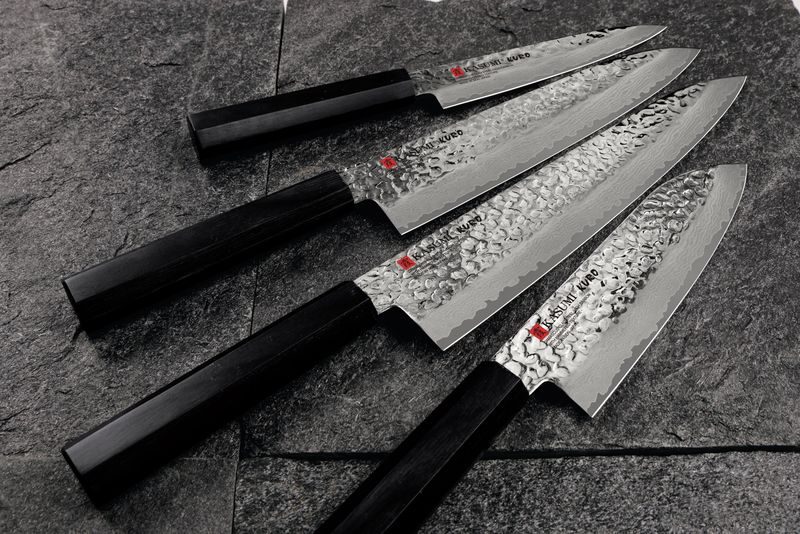 Seki, GifuSUMIKAMAスミカマKitchen knives
Produces kitchen knives under the KASUMI and Kasane collections in Seki, Gifu.
WebsiteOnline shop ↗ Seki, GifuSUNCRAFTサンクラフトKnives and kitchen tools
Makes kitchen knives, graters, chopping tools and specialized cooking utensils.
WebsiteOnline shop ↗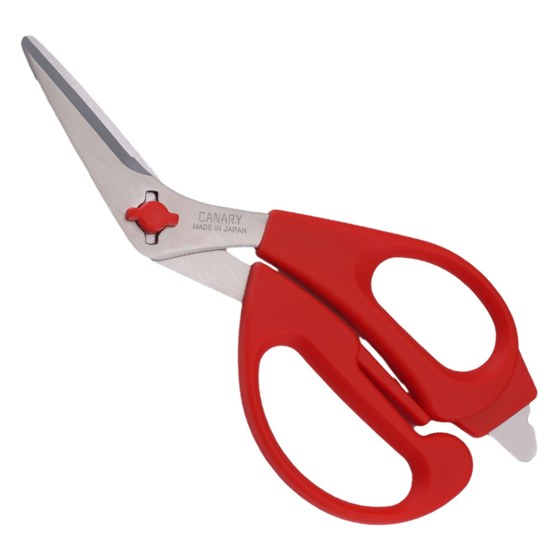 Gifu / SekiHasegawa Cutlery長谷川刃物(CANARY)Scissors
Produces CANARY and HARAC scissors and cutting tools for sewing, office work and crafts in Seki, Gifu.
WebsiteOnline shop ↗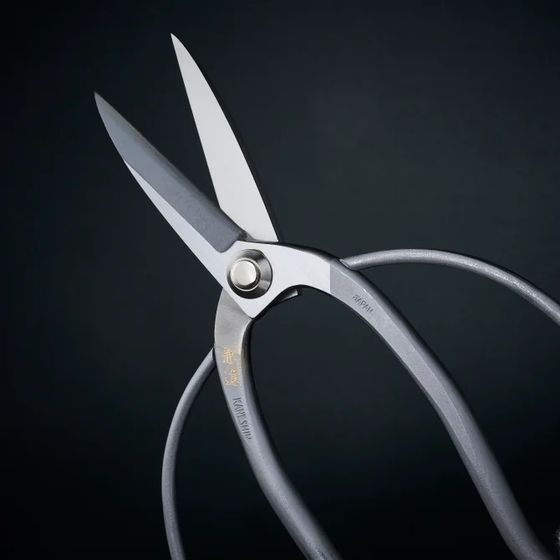 Gifu / SekiKaneshin兼進Bonsai & garden shears
Offers specialized bonsai tools including twig scissors, concave cutters, root cutters and wire cutters.
WebsiteOnline shop ↗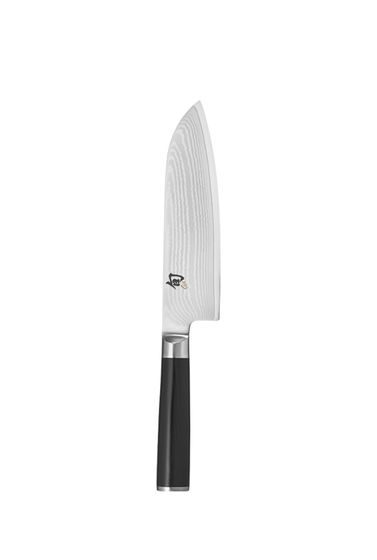 Tokyo / SekiKAI貝印Knives & blades from Seki
Makes Seki Magoroku and Shun kitchen knives, as well as nail clippers and hair-cutting scissors.
WebsiteOnline shop ↗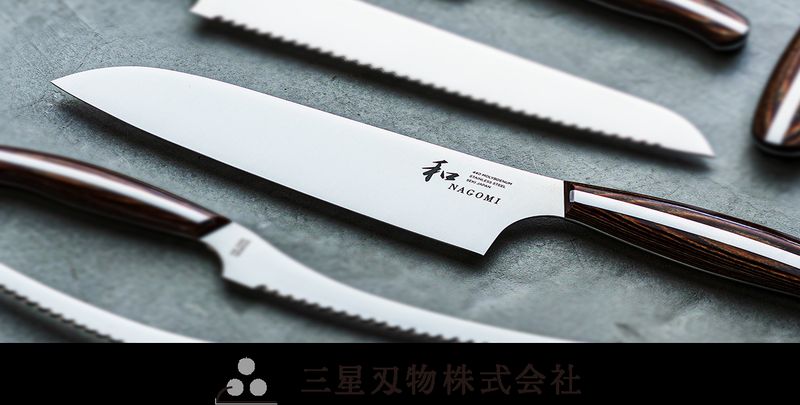 Gifu / SekiMitsuboshi Cutlery三星刃物Knives & blades from Seki
Makes NAGOMI kitchen knives with hand-finished handles and MITSUBOSHI Outdoors cutting tools.
WebsiteOnline shop ↗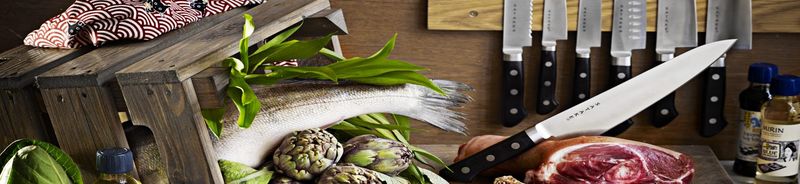 Gifu / SekiSatake Sangyo佐竹産業Knives & blades from Seki
Produces Japanese knives in Aogami steel and Western-style knives in powdered high-speed and Damascus steels.
Website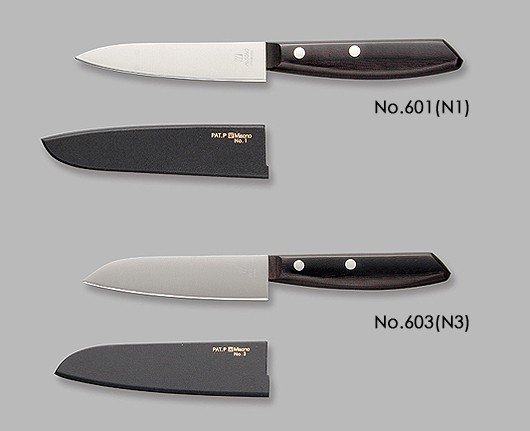 Gifu / SekiMisono Cutleryミソノ刃物Knives & blades from Seki
Makes professional steel and stainless-steel kitchen knives, from forging and heat treatment to final sharpening.
Website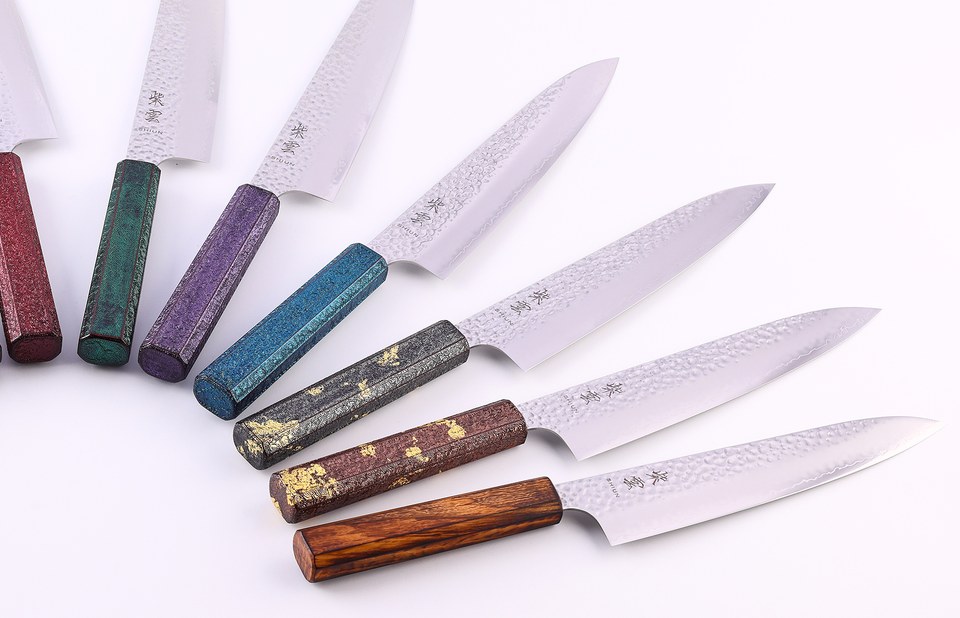 Gifu / SekiSeki Kanetsugu関兼次刃物Knives & blades from Seki
Makes Zuiun kiritsuke knives, Saiun Damascus-steel knives and one-piece stainless-steel kitchen knives.
Website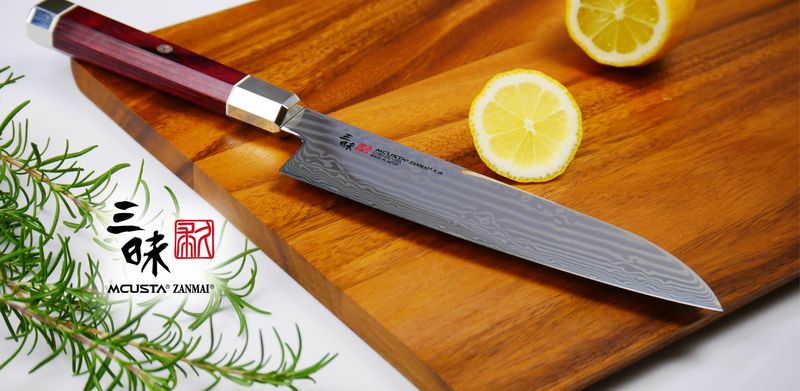
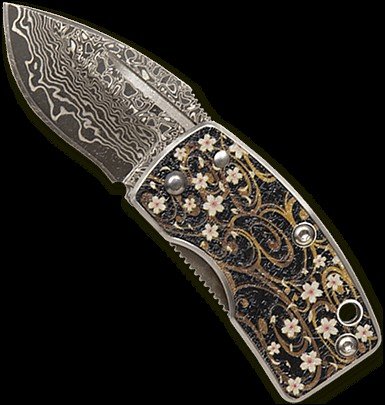 Seki, GifuG.SAKAIジー・サカイPocket and outdoor knives
Develops folding knives, fishing and camping blades, with a focus on specialized blade steels.
WebsiteOnline shop ↗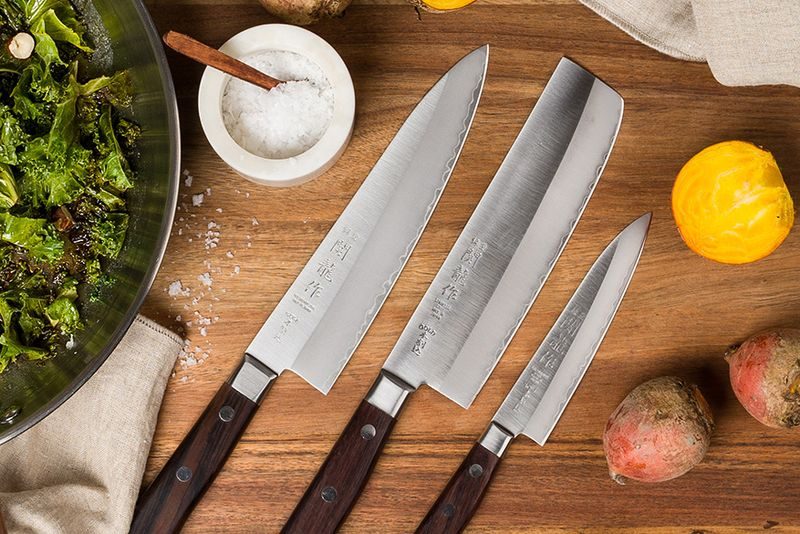 Seki, GifuOhzawa Swords大澤刀剣(関龍作)Home and professional kitchen knives
Makes kitchen knives and Japanese swords in Seki, combining swordmaking techniques with modern technology.
WebsiteFAQ
FAQ
What is the difference between Seki and Sakai knives?
Seki is strong in double-bevel home knives, stainless steel and factory production. Sakai is known for single-bevel knives for professional chefs, made by a chain of specialist craftsmen.
Are Seki knives an officially designated traditional craft?
Seki blades as a whole are not on the national list of traditional crafts, but the town has made blades continuously since the Kamakura period.
When is the Seki Cutlery Festival?
Every autumn. Check Seki City tourism information for this year's dates.