Tsubame-Sanjo
Tsubame and Sanjo in Niigata, known together as Tsubame-Sanjo, form one of Japan’s great metalworking regions. Kitchen knives and tools, knives and forks, and copperware hammered from a single sheet — many of the metal things we use every day are made here. It all began as a side job for farmers whose fields were flooded by the river.
Why metalworking began in Tsubame-Sanjo
Tsubame-Sanjo lies between the Shinano, Japan’s longest river, and its branch the Nakanokuchi. Edo-period records say floods came once every three years, so harvests were unreliable.
From 1625, Otani Seibei, the magistrate stationed in Sanjo, brought craftsmen from Edo and encouraged farmers to make Japanese nails as a side job. The area already had many smiths making farm tools, and when great fires in Edo sent demand for nails soaring, nail-making flourished in both Tsubame and Sanjo.
Skills that branched out from nails
Many metal products grew out of nail-making. In 1661 Sanjo learned to make saws and hatchets from Aizu, and blades and hardware became a major industry. In the mid-Edo period, a craftsman from Sendai brought Tsubame the art of tsuiki: hammering a copper sheet into a vessel.
It is said that Tsubame was a town of craftsmen and Sanjo a town of merchants who sold the nails. The two neighbouring towns grew together, each using its own strengths.
Meiji: cutlery and blades
In the Meiji era, demand for Japanese nails fell. Sanjo used its smithing skills to make better carpentry tools and knives, while Tsubame applied what it had learned from nails and copperware to make tobacco pipes and Western cutlery.
Polishing known around the world
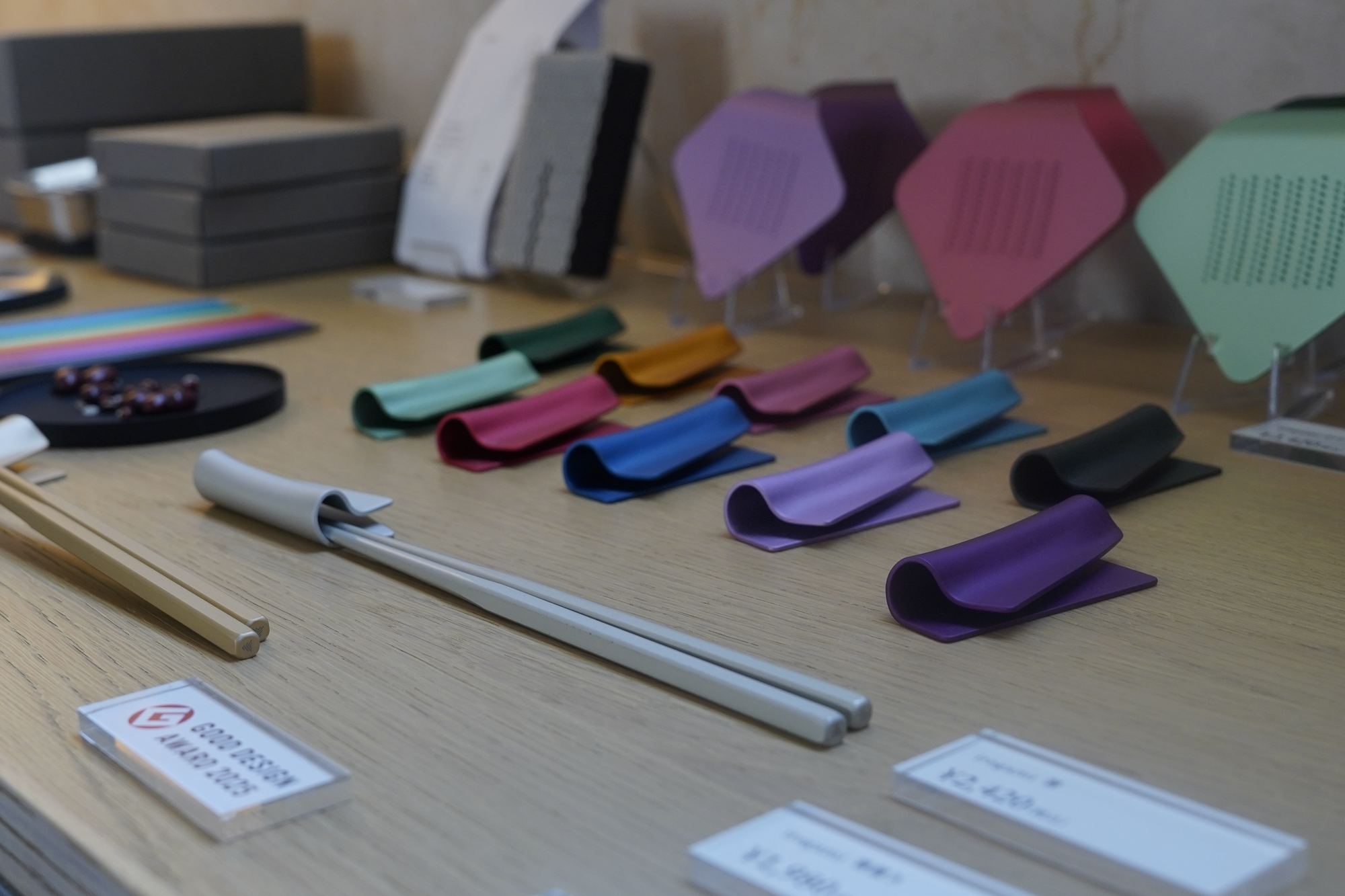
Tsubame is said to make over 90% of Japan’s metal tableware. Its cutlery was used at the 1991 banquet marking the Nobel Foundation’s 90th anniversary, and a Tsubame polishing workshop gave the back of the first iPod in 2001 its mirror finish. The town is known abroad as the home of the world’s finest metal polishing.
Tsubame is also said to be the only place left with the skill of tsuiki: hammering and shrinking a single copper sheet into a seamless vessel.
What makes Tsubame-Sanjo distinctive
The region’s strength is its dense cluster of small specialist workshops — forging, pressing, polishing, plating — each handling one step. A single product often moves between several of them before it is finished.
Some companies, like the knife maker Tojiro, make both traditional hand-forged knives and modern knives stamped from stainless sheet. Combining traditional skill with new technology is what Tsubame-Sanjo does best.
How to choose and care
Carbon-steel knives take a sharper edge and are easier to sharpen but can rust; stainless steel is easier to care for. With nail clippers and scissors, the precision of the blades makes all the difference. Copperware deepens in colour with use, and cutlery changes character with its finish: mirror, matte or hammered.
Sources
MAKERS
Makers
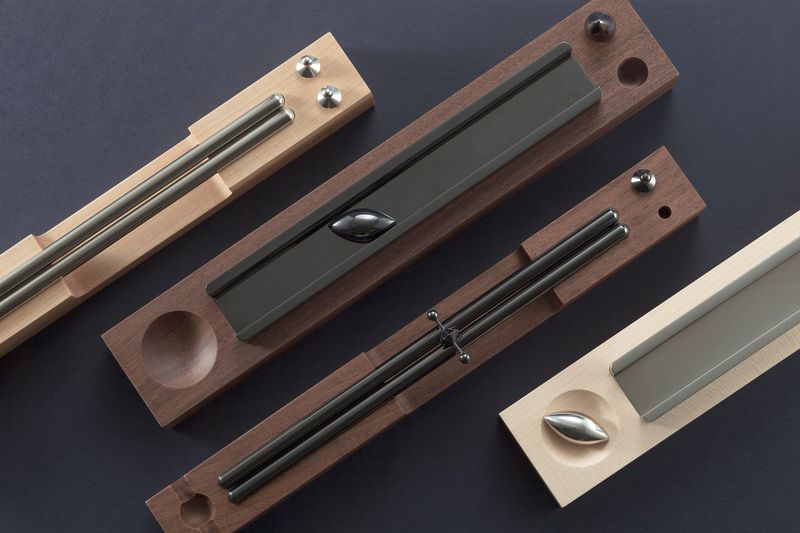 Niigata / SanjoGRAVIMORPH野崎製作所 / GRAVIMORPHKinetic metal art
Precision-made metal kinetic art, including spindles powered by gravity without motors.
WebsiteShips overseas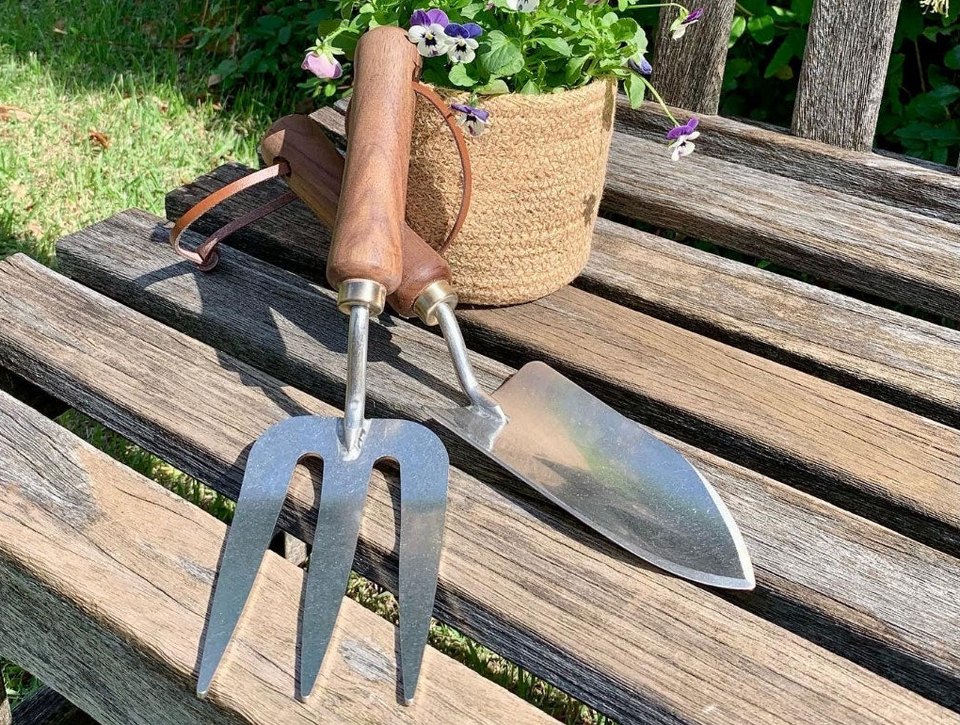 Niigata / SanjoAsano Mokkousho浅野木工所Garden and farm tools
Makes weeding hoes, farming tools, wild vegetable digging tools and roof snow-removal equipment.
WebsiteShips overseas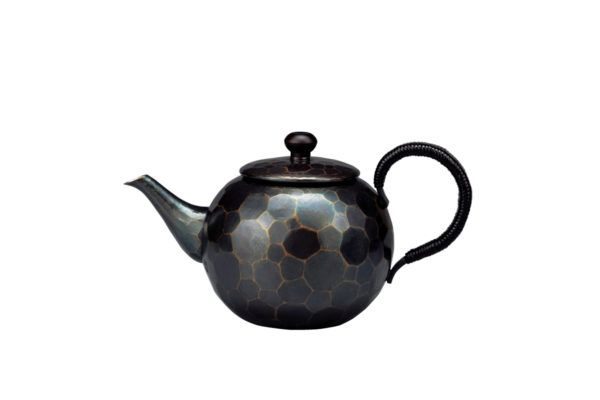 Tsubame, NiigataGYOKUSENDO玉川堂Hammered copperware
Hammers single copper sheets into vessels, then applies distinctive patinated finishes.
WebsiteOnline shop ↗Ships overseas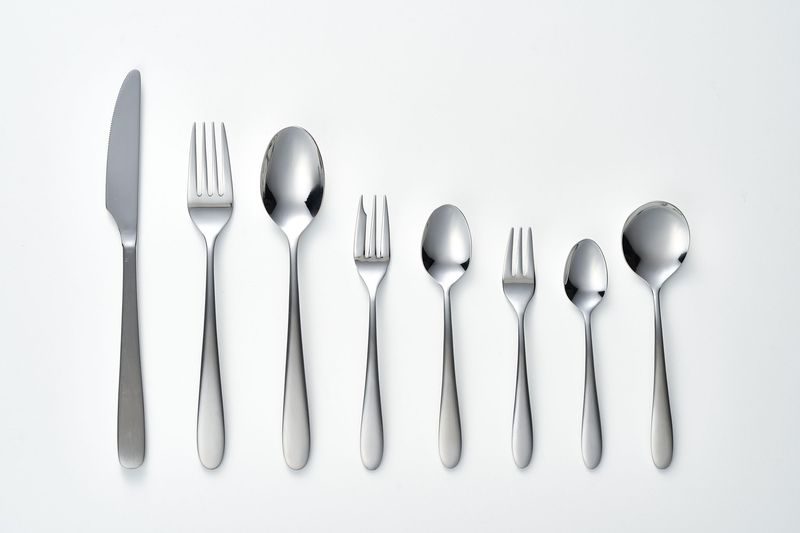 Tsubame, NiigataTsubame Bussan燕物産Stainless steel cutlery
Makes metal cutlery, including the Gekkeiju series and custom-made spoons and forks.
WebsiteOnline shop ↗Ships overseas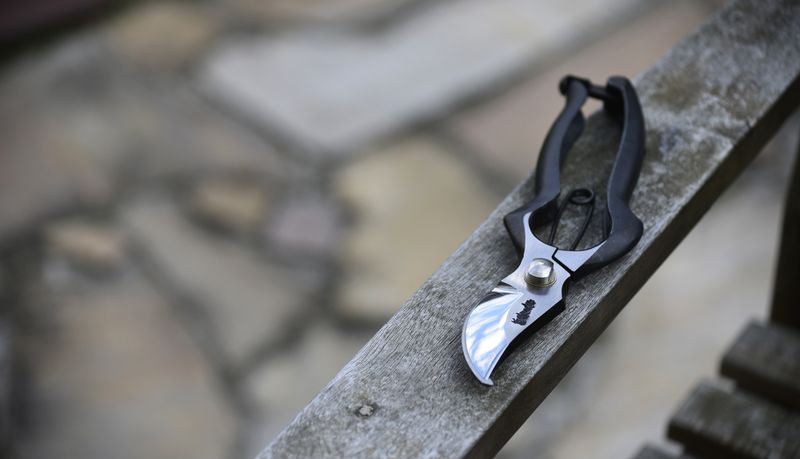 Sanjo, NiigataToyama Hamono外山刃物Pruning and garden shears
Makes forged-steel pruning, bonsai and flower scissors, with sharpening and repair services.
WebsiteShips overseas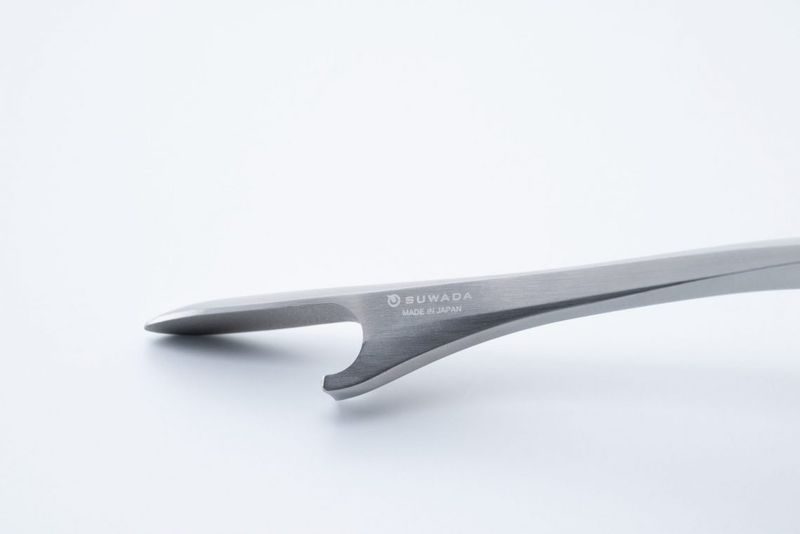 Niigata / SanjoSUWADA諏訪田製作所Nipper-type nail clippers
Hand-finished nail nippers with curved blades designed to cut thick, curved and irregular nails.
Website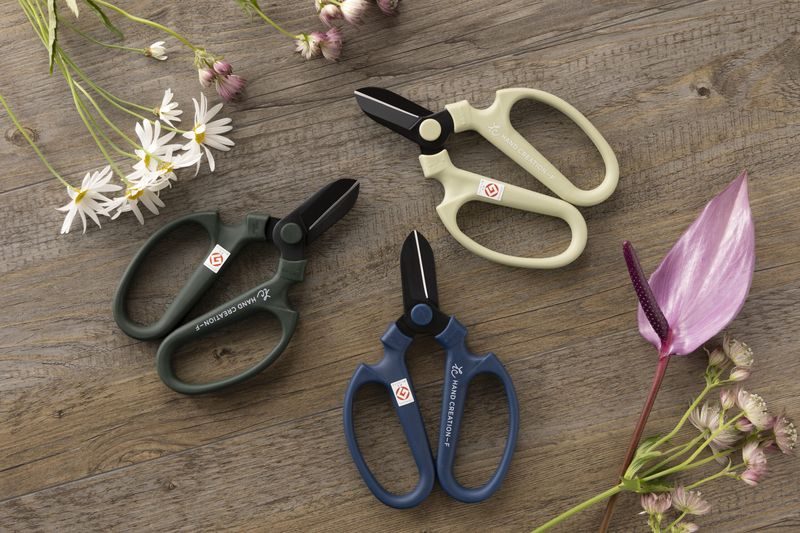 Niigata / SanjoSAKAGEN坂源Flower and garden shears
Makes floral, harvesting and bonsai scissors, including the Hand Creation series.
Website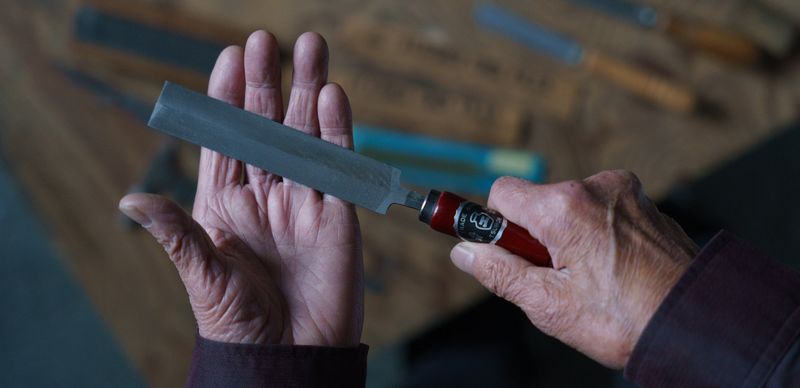 Niigata / TsubametsuboeツボエGraters
A specialist manufacturer of Japanese graters, offering designs for different food preparation needs.
Website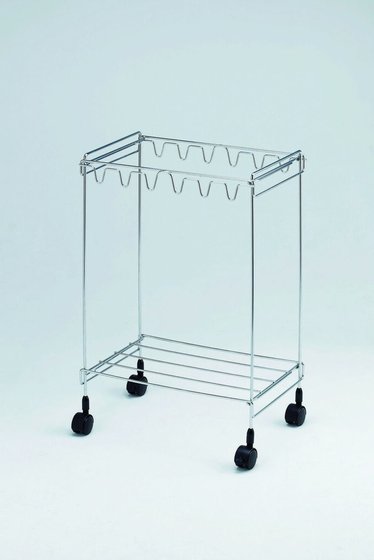 Niigata / TsubameShinetsu Works新越ワークスMetal kitchenware
Develops ThreeSnow professional kitchenware and UNIFLAME outdoor cooking and camping equipment.
Website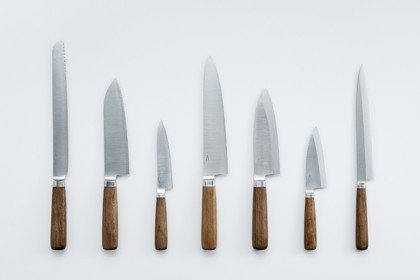 Sanjo, NiigataTadafusa庖丁工房タダフサKnives for home and chefs
Makes everyday kitchen knives and professional blades, including specialized soba-cutting knives.
WebsiteOnline shop ↗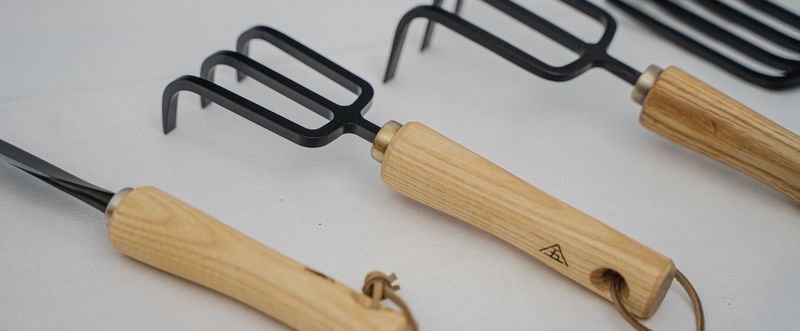 Sanjo, NiigataKondo Seisakusho近藤製作所Hoes and farm tools
Forges regional styles of farming hoes and restores or repairs discontinued models.
Website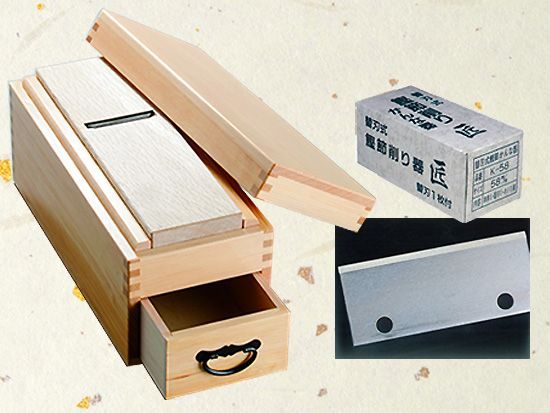 Sanjo, NiigataTakizawa Seisakusho滝沢製作所Garden tools and blades
Makes replaceable-blade planes, saws, bonito shavers and hairdressing scissors.
WebsiteOnline shop ↗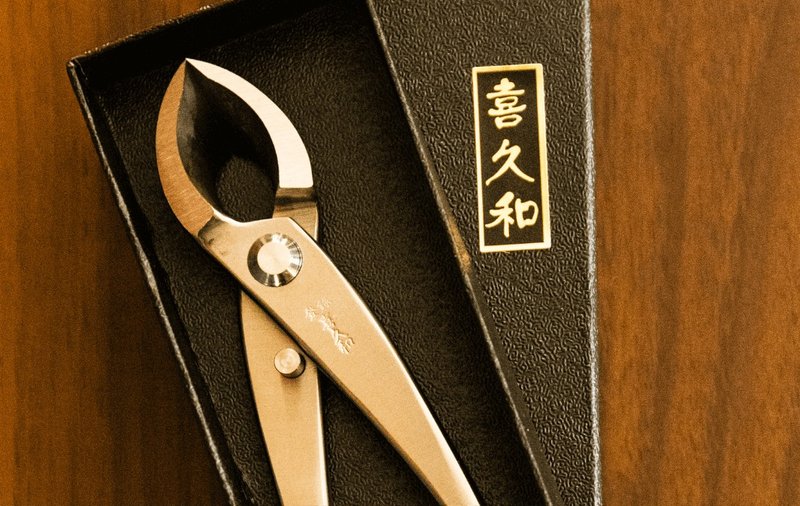 Niigata / SanjoKikuwa喜久和Bonsai & garden shears
Supplies over 150 types of bonsai scissors, inspecting and adjusting each tool before shipping.
WebsiteOnline shop ↗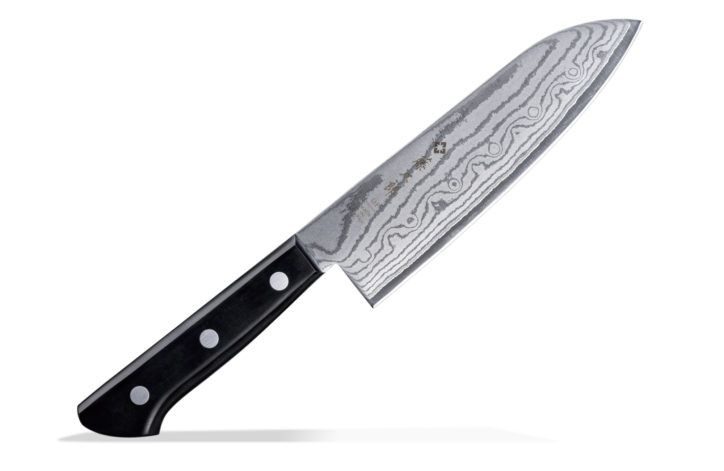 Tsubame, NiigataTOJIRO藤次郎Japanese and Western kitchen knives
Makes Japanese and Western kitchen knives in Tsubame-Sanjo, including all-stainless-steel models.
WebsiteOnline shop ↗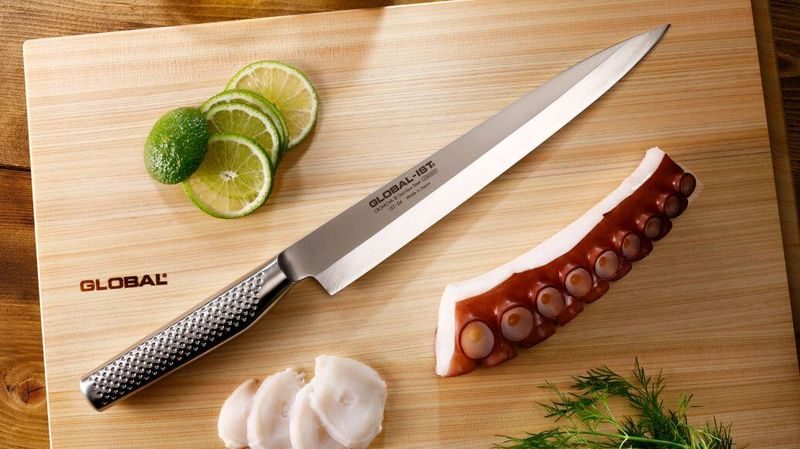 Tsubame, NiigataGLOBAL (Yoshikin)吉田金属工業(GLOBAL)All-stainless kitchen knives
Known for GLOBAL and GLOBAL-IST stainless steel kitchen knives, with a blade-sharpening service.
WebsiteFAQ
FAQ
Where can I buy Tsubame-Sanjo products?
Most of the makers listed on this page sell through their own online shops, and some ship overseas. Tsubame-Sanjo products are also available at CRAFT. in Yokohama.
What is the difference between Tsubame and Sanjo?
Sanjo specialises in forging and blades; Tsubame in cutlery, polishing and copperware. The two towns share the work between them.