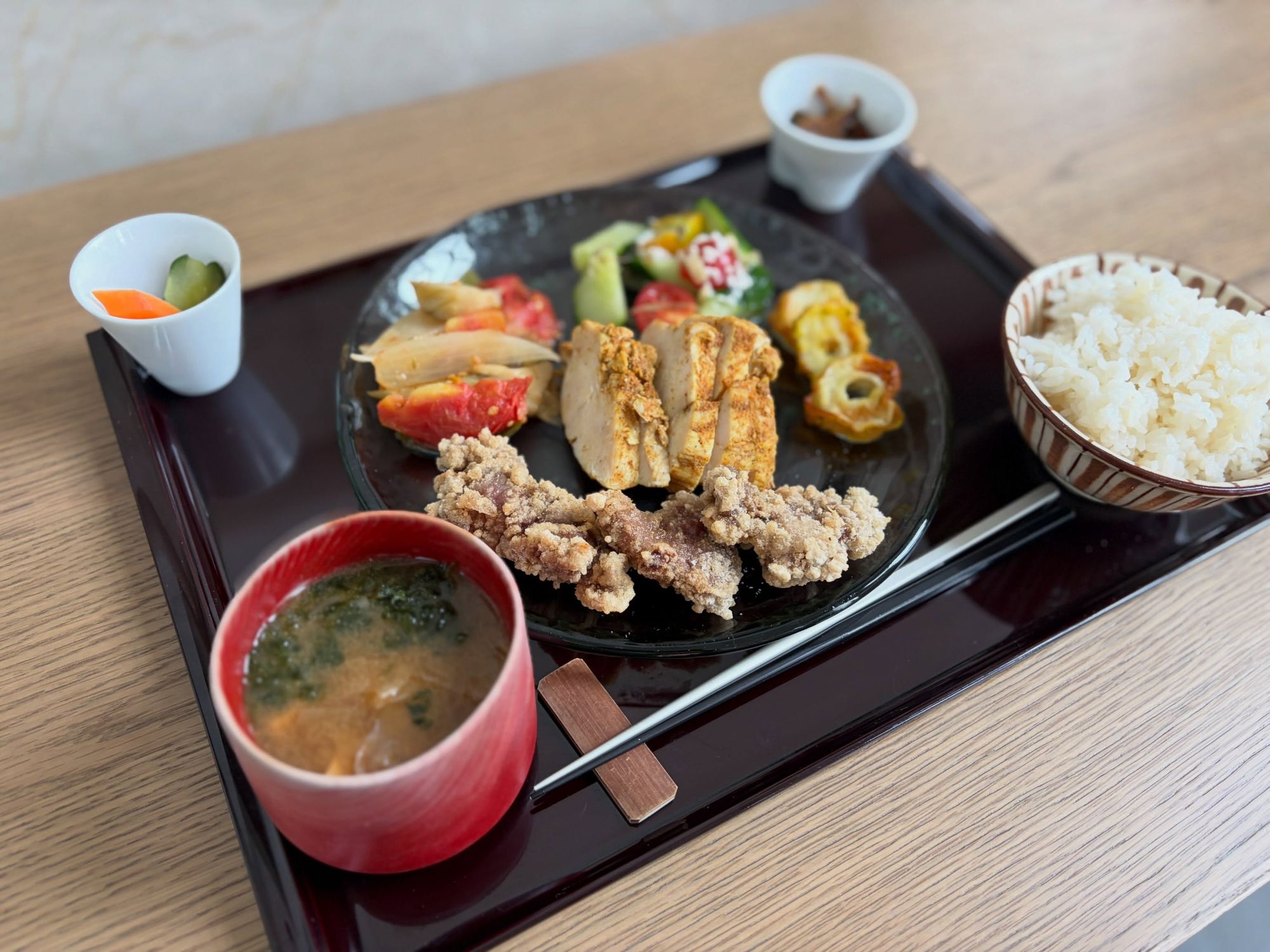
Japanese knives
Japanese kitchen knives are chosen by chefs worldwide for their thin, keen edges and for lasting decades through resharpening. Behind them lie smithing skills inherited from the Japanese sword and the histories of regional production centres. Here is why Sakai, Seki, Echizen, Tosa and Tsubame-Sanjo each grew where they did, and what each does best.
Why Japanese knives cut so well
Like Japanese swords, many Japanese knives are made by forge-welding hard steel to soft iron: keen steel at the edge, tough iron for the body. Forging compacts the metal, combining sharpness with durability.
Japan also has a culture of finishing blades thin and resharpening them for years. To suit the delicacy of Japanese cuisine, many knives with set shapes for specific tasks were developed.
How the five regions began
Sakai (Osaka) is said to have begun with smiths who gathered to make hoes and spades for building 5th-century burial mounds. It became famous for knives to shred tobacco, introduced from Portugal in the 16th century, and the shogunate granted it the “Sakai kiwame” seal. Sakai excels at single-bevel knives such as deba and yanagiba, chosen by many professional chefs.
Seki (Gifu) had everything swordsmiths needed — iron sand, hardening clay, pine charcoal and the water of the Nagara and Tsubo rivers — and drew more than 300 swordsmiths in the Muromachi period. Combining smithing skill with industrial capacity, it makes knives for homes and professionals alike.
Echizen (Fukui) began in 1337, when Kyoto swordsmith Chiyozuru Kuniyasu settled there in search of pure water and forged sickles for farmers. Its nimai-hirogi technique of forging two blades together produces thin, sharp knives.
Tosa (Kochi) made blades for mountain work in a forestry region. Its jiyu-tanzo free forging shapes blades without moulds, to each customer’s order.
Tsubame-Sanjo (Niigata) began with nail-making as a side job for farmers plagued by Shinano River floods. Its strength is making both traditional hand-forged knives and modern knives stamped from stainless sheet.
Types of knives
Many Japanese knives are single-bevel, sharpened on one side only: the deba for filleting fish, the yanagiba for slicing sashimi and the usuba for vegetables. Western-style knives are double-bevel, such as the gyuto (chef’s knife) and the santoku, an all-purpose home knife for meat, fish and vegetables.
The knives most popular abroad as “Japanese knives” are easy-to-use double-bevel knives such as the gyuto, santoku and nakiri.
Carbon steel and stainless steel
Carbon-steel knives are very sharp and easy to sharpen but rust easily and need care. Stainless knives resist rust and are easy to look after. Warikomi knives, with a steel core clad in stainless, offer the sharpness of steel with the convenience of stainless.
How to choose and care
For a first knife, a stainless or warikomi santoku or gyuto is ideal. Wash and dry it straight after use and avoid the dishwasher. Buy from a workshop or shop that will resharpen it, and it can last for decades.
Sources
How to Care for a Japanese Knife
MAKERS
Makers
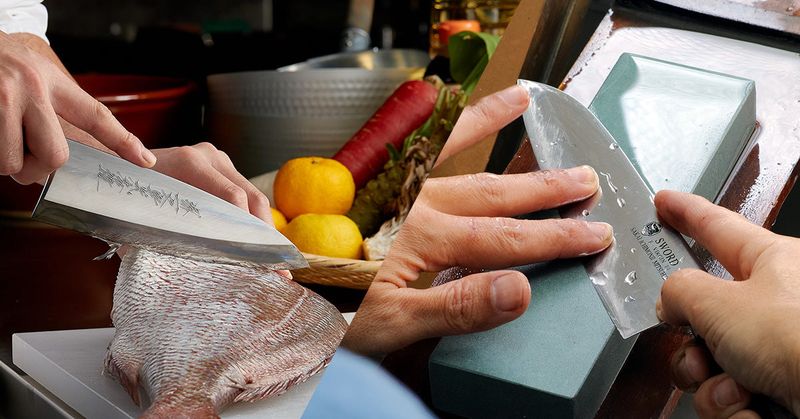 Sakai, OsakaSakai Ichimonji Mitsuhide堺一文字光秀Kitchen knives
Offers a wide range of Japanese and Western kitchen knives, including deba, yanagiba and usuba.
WebsiteShips overseas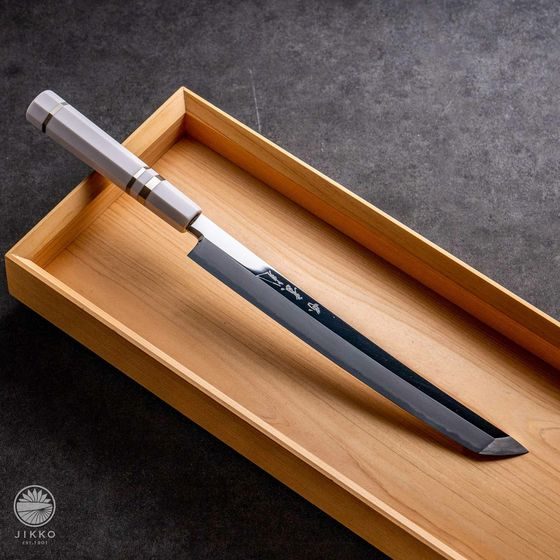 Sakai, OsakaJIKKO實光刃物Japanese and Western knives
Makes Japanese and Western kitchen knives and offers final edge sharpening and knife repair services.
WebsiteShips overseas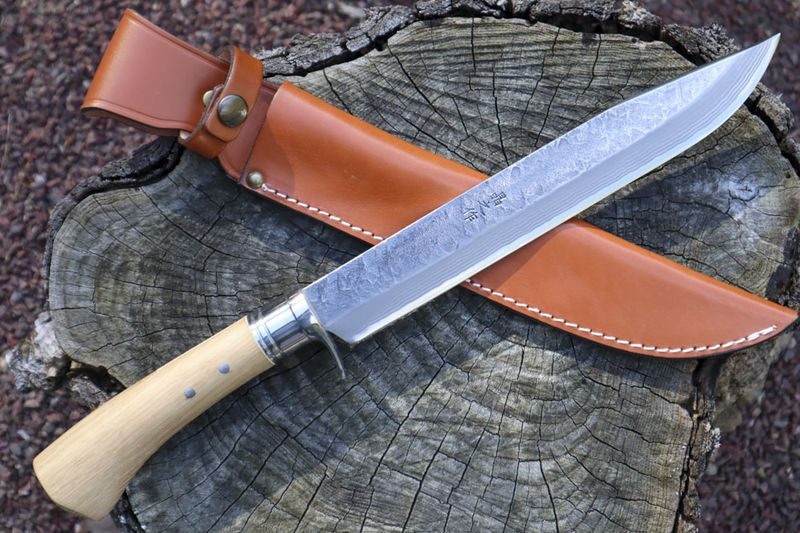 Nankoku, KochiToyokuni豊国鍛工場Tosa forged blades and hatchets
Makes hunting nata knives, outdoor blades and kitchen knives in Kochi.
WebsiteShips overseas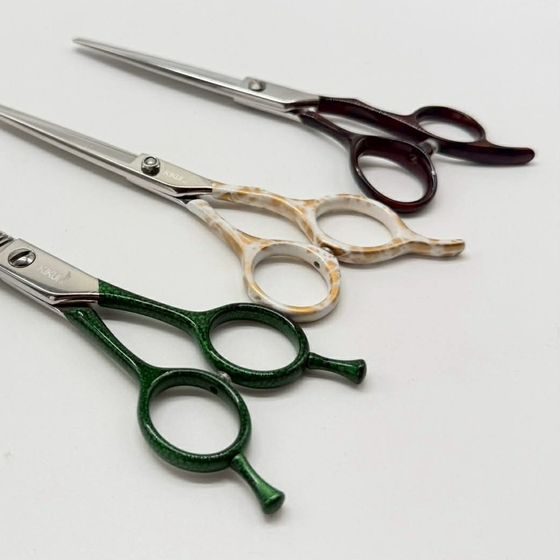 —Kikui Scissorsキクイシザース(菊井鋏製作所)Scissors
Makes cobalt hairdressing scissors, with made-to-order pairs for individual stylists plus sharpening and repair.
WebsiteOnline shop ↗Overseas on request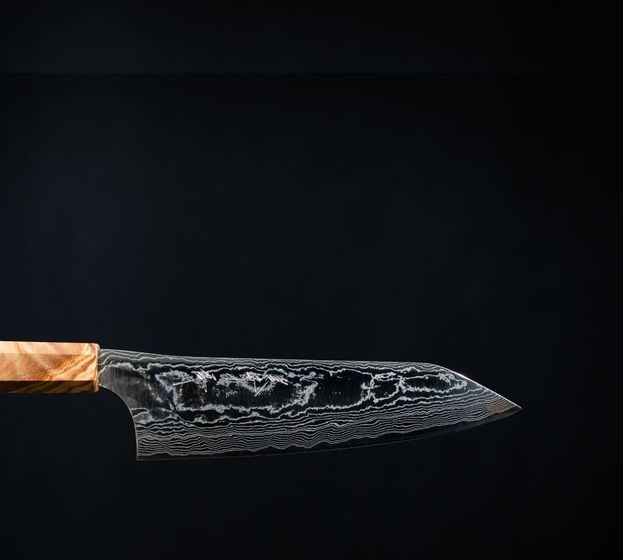 Fukui / EchizenKurosaki Knives黒﨑打刃物Hand-forged Echizen knives
Yu Kurosaki creates hand-finished kitchen knives with attention to blade aesthetics, weight and balance.
WebsiteOnline shop ↗Ships overseas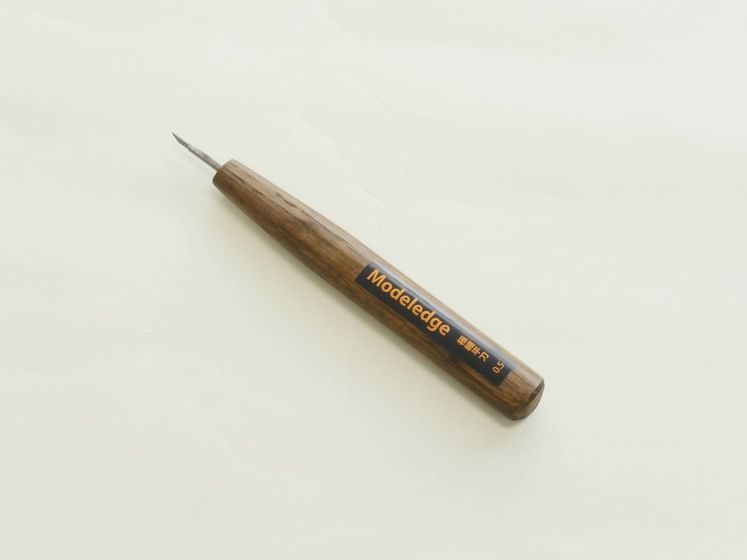 Miki, HyogoMichihamono Kogyo道刃物工業Carving and printmaking chisels
Supplies woodcarving knives, chisels and woodblock printmaking tools for students and professionals.
WebsiteShips overseas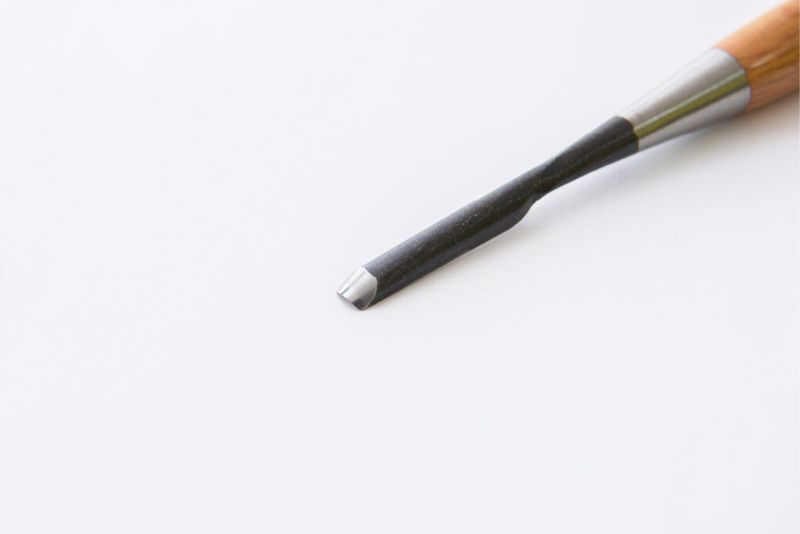 Nagaoka, NiigataKawasei河清刃物Carving knives and wood chisels
Makes carving knives from Aogami Super steel and wood chisels from Shirogami steel.
WebsiteOnline shop ↗Ships overseas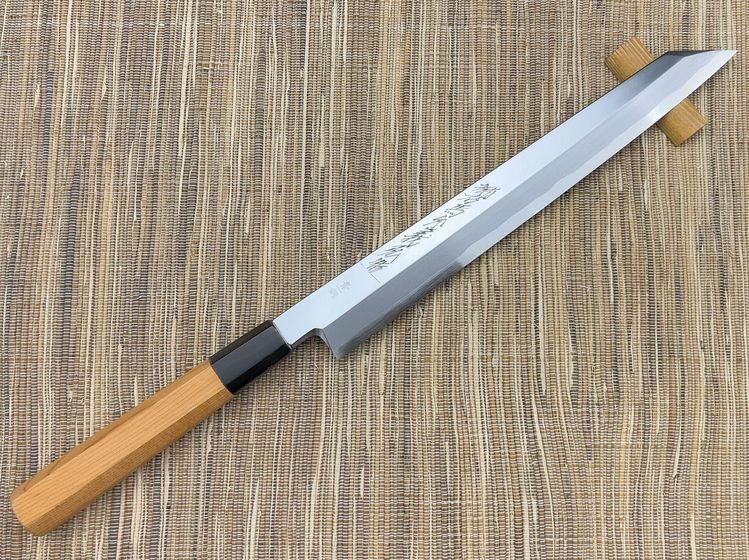 Sakai, OsakaYamawaki Hamono Seisakusho山脇刃物製作所(郷右馬允義弘)Sakai forged Japanese kitchen knives
Manufactures and sells Sakai kitchen knives under the Gou Umanosuke Yoshihiro brand.
WebsiteOnline shop ↗Ships overseas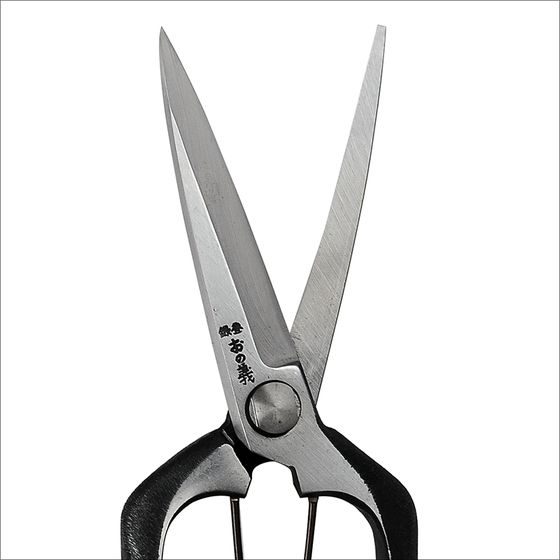 Ono, HyogoOnoyoshi Hamonoおの義刃物Pruning and garden shears
A garden shears manufacturer founded in 1936 in Ono, Hyogo Prefecture.
WebsiteOnline shop ↗Ships overseas Sakai, OsakaMatsuo Hamono Seisakusho松尾刃物製作所(源泉正)Handmade Japanese kitchen knives
Sakai knife maker handcrafting Japanese kitchen knives in its own factory under the Minamoto Izumimasa brand.
WebsiteShips overseas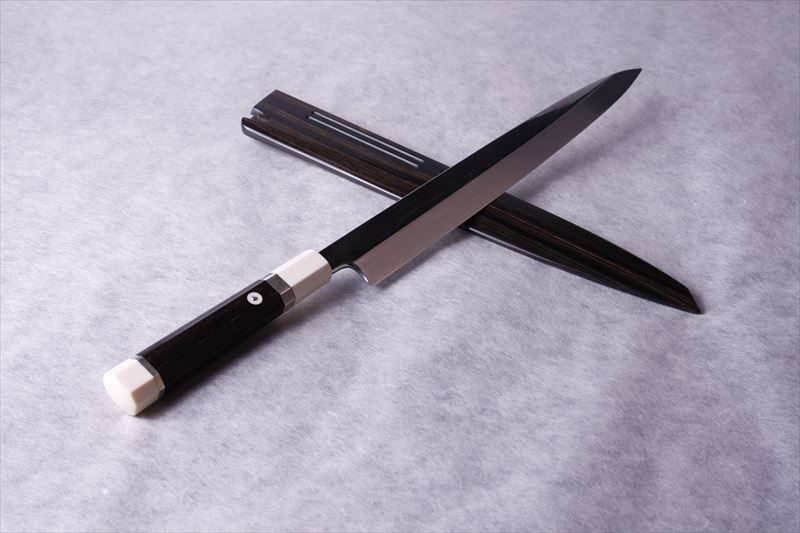 Sakai, OsakaTakahashikusu高橋楠Japanese and Western kitchen knives
Sakai forged knife manufacturer and wholesaler offering Japanese and Western knives and private-label production.
WebsiteShips overseas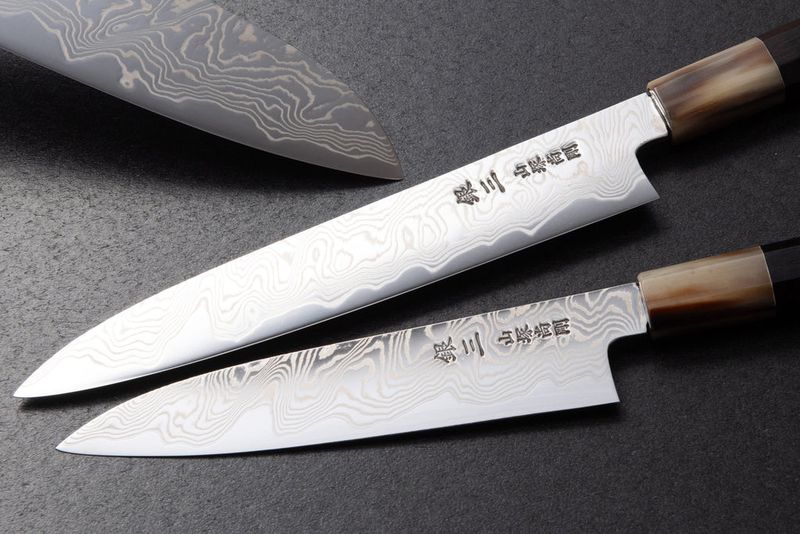 Sakai, OsakaYamatsuka Shogo山塚尚剛Forged Japanese kitchen knives
Hand-forged Ginsan stainless steel knives, including santoku, yanagiba and kiritsuke gyuto.
WebsiteShips overseas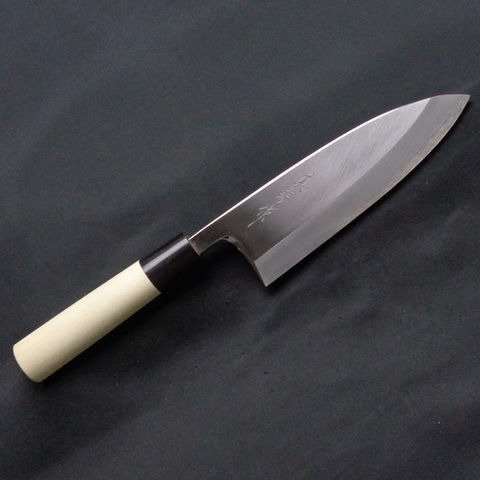 KochiTokuzo Knives徳蔵刃物Tosa forged kitchen knives
Offers Tosa-forged Japanese kitchen knives from its own forge and collaborating bladesmiths.
WebsiteShips overseas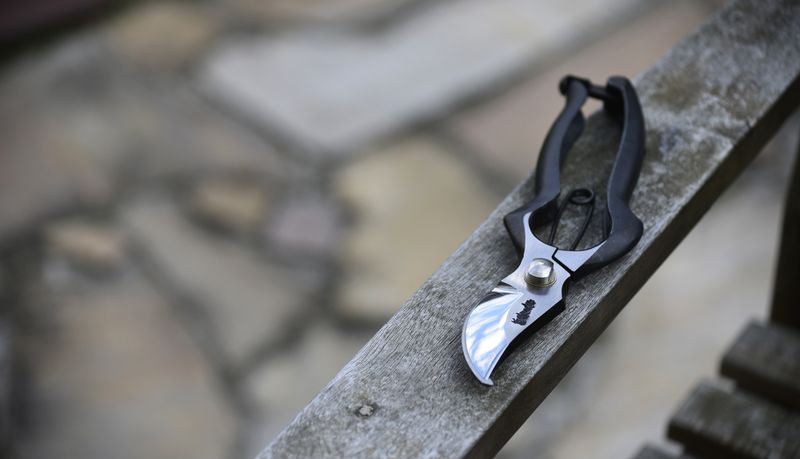 Sanjo, NiigataToyama Hamono外山刃物Pruning and garden shears
Makes forged-steel pruning, bonsai and flower scissors, with sharpening and repair services.
WebsiteShips overseas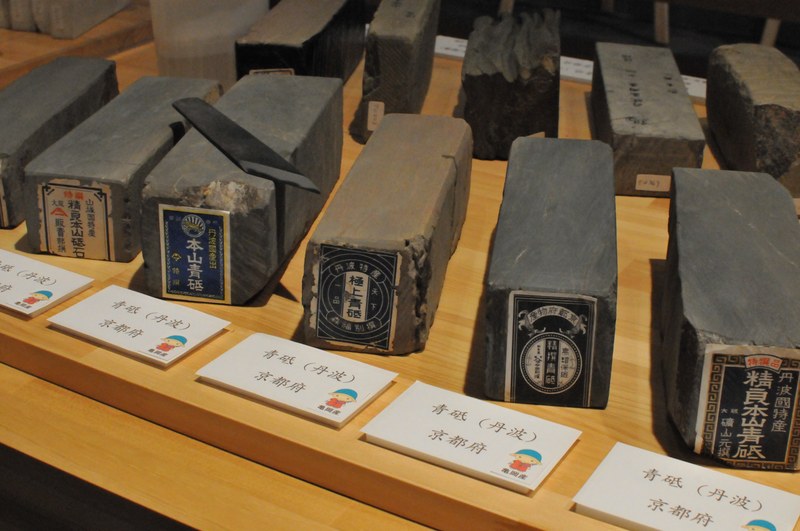 Kyoto / KameokaNatural Whetstone Museum (Tennen Toishi Kan)天然砥石館Natural whetstones from Kameoka, Kyoto
A hands-on museum in Kameoka, Kyoto, a historic source of natural whetstones. It shows and sells local stones and offers sharpening workshops.
WebsiteOnline shop ↗Overseas on request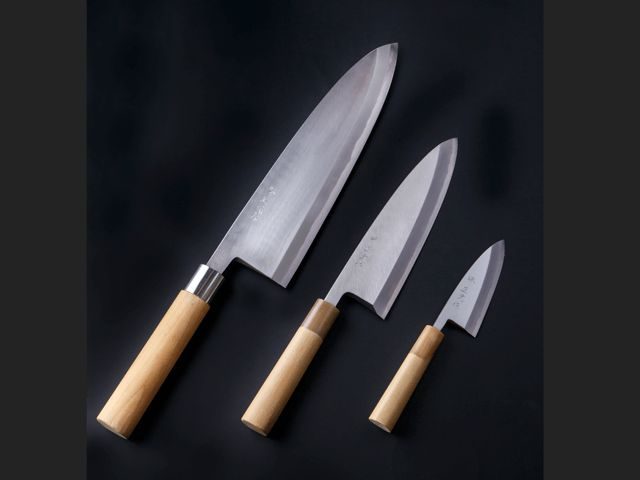 Sakai, OsakaSakai Masamoto堺正元刃物店Sakai forged knives
Offers Sakai knives with HACCP-compliant resin handles and custom-fitted handles.
Website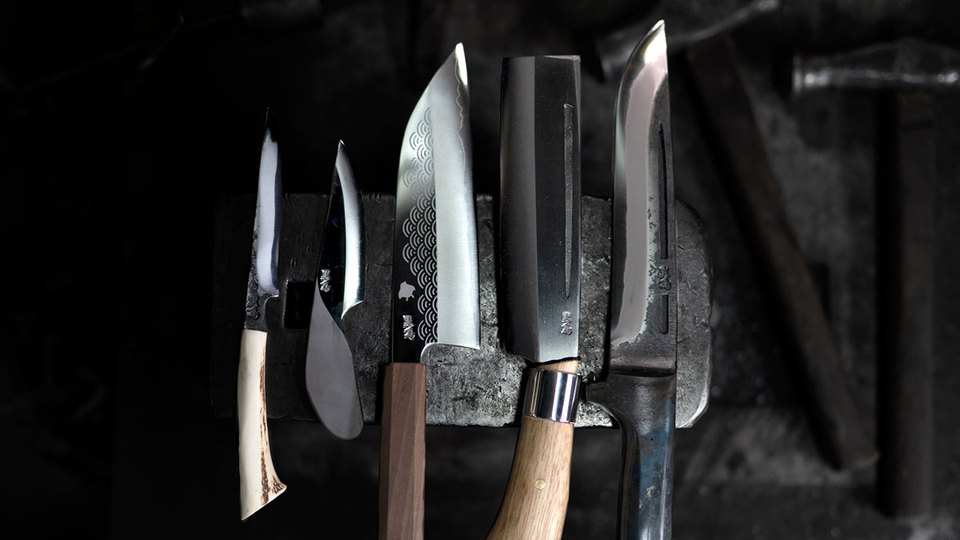 Tosa, KochiTosa Kurotori土佐打刃物 黒鳥Forged knives and blades
Forges Tosa blades, including award-winning butcher knives and other utility cutting tools.
Website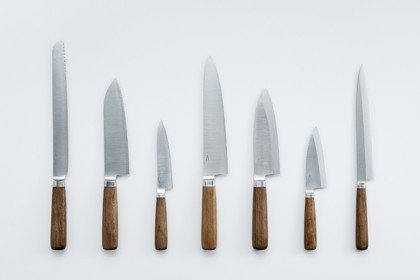 Sanjo, NiigataTadafusa庖丁工房タダフサKnives for home and chefs
Makes everyday kitchen knives and professional blades, including specialized soba-cutting knives.
WebsiteOnline shop ↗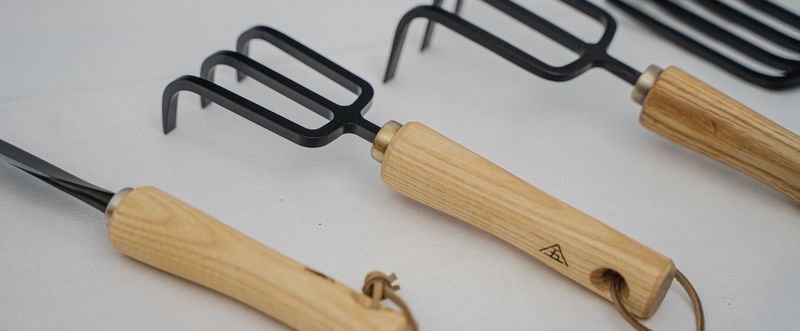 Sanjo, NiigataKondo Seisakusho近藤製作所Hoes and farm tools
Forges regional styles of farming hoes and restores or repairs discontinued models.
Website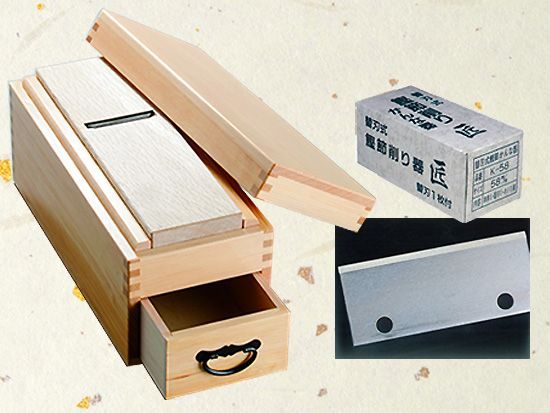 Sanjo, NiigataTakizawa Seisakusho滝沢製作所Garden tools and blades
Makes replaceable-blade planes, saws, bonito shavers and hairdressing scissors.
WebsiteOnline shop ↗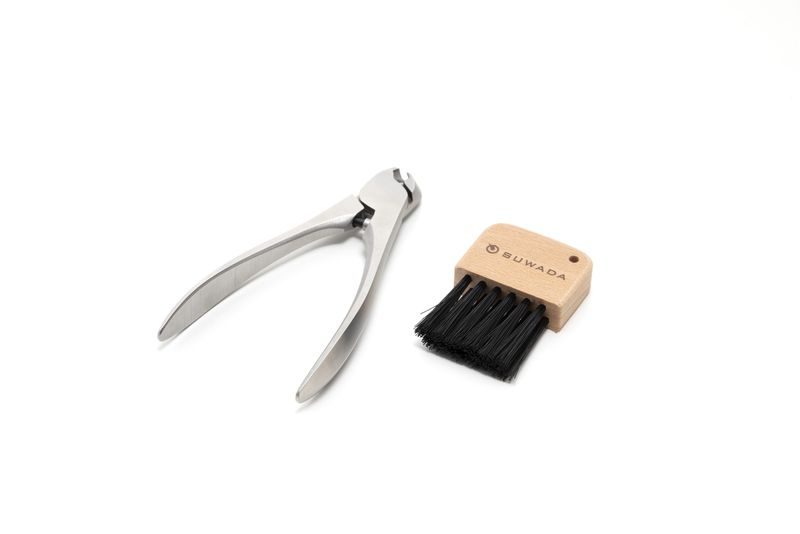 Sanjo, NiigataSUWADASUWADA 諏訪田製作所Nail clippers and fine blades
Handcrafts precision nail nippers with curved blades, including models for thick and ingrown nails.
WebsiteOnline shop ↗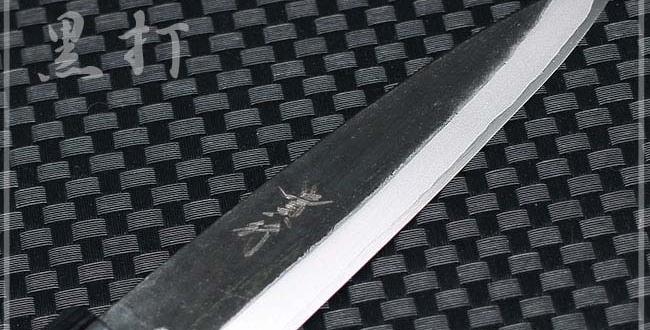 Echizen, FukuiKaji Kobo Iwai鍛冶工房いわいEchizen forged blades
Offers individually hand-forged Echizen kitchen knives made by a certified master craftsman.
Website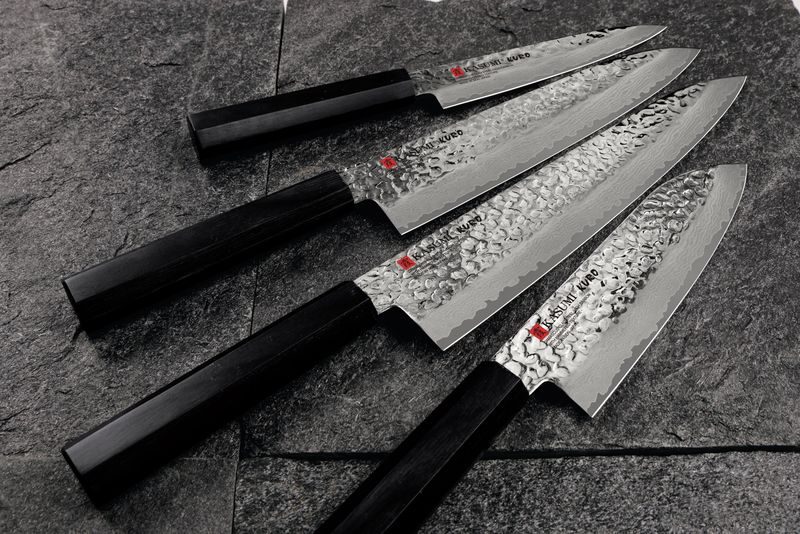 Seki, GifuSUMIKAMAスミカマKitchen knives
Produces kitchen knives under the KASUMI and Kasane collections in Seki, Gifu.
WebsiteOnline shop ↗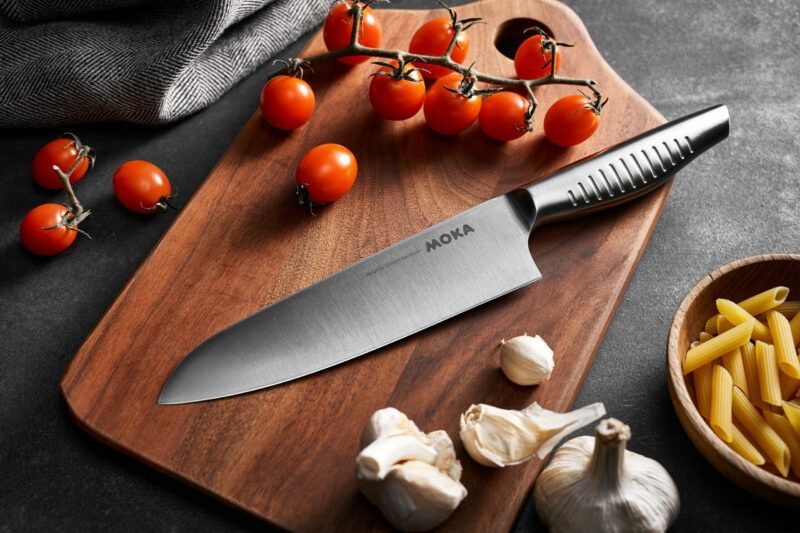 Seki, GifuSUNCRAFTサンクラフトKnives and kitchen tools
Makes kitchen knives, graters, chopping tools and specialized cooking utensils.
WebsiteOnline shop ↗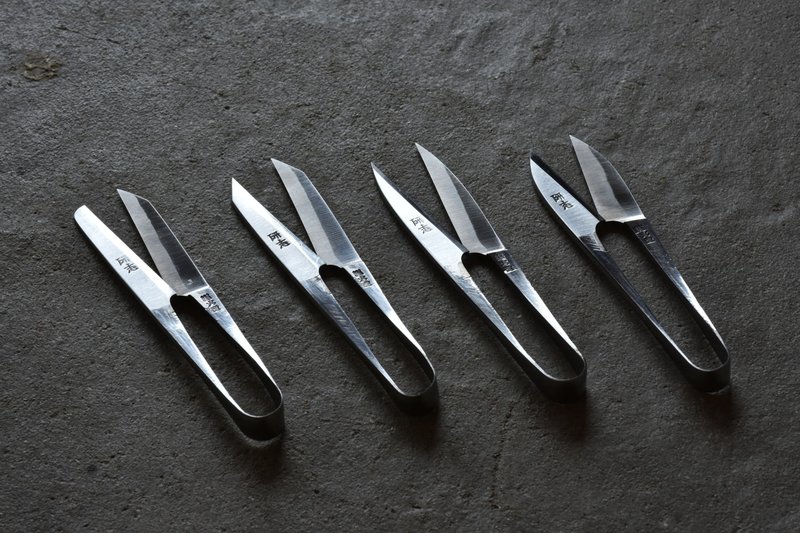 Hyogo / OnoTerasaki Hamono寺﨑刃物Scissors
Hand-forges Kenshi thread snips using the full-fire forging method, suitable for cutting threads and fabric.
WebsiteOnline shop ↗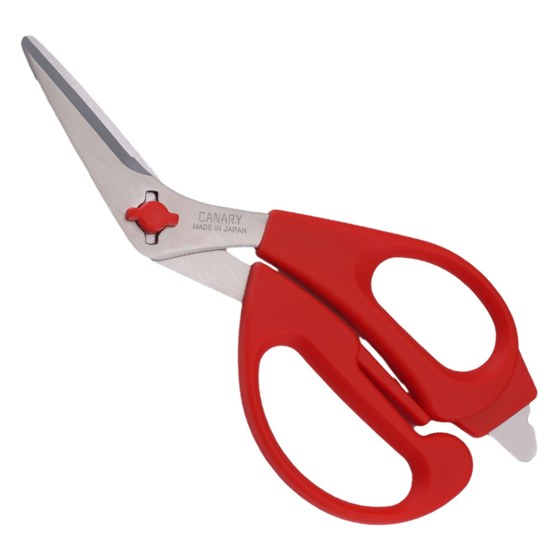 Gifu / SekiHasegawa Cutlery長谷川刃物(CANARY)Scissors
Produces CANARY and HARAC scissors and cutting tools for sewing, office work and crafts in Seki, Gifu.
WebsiteOnline shop ↗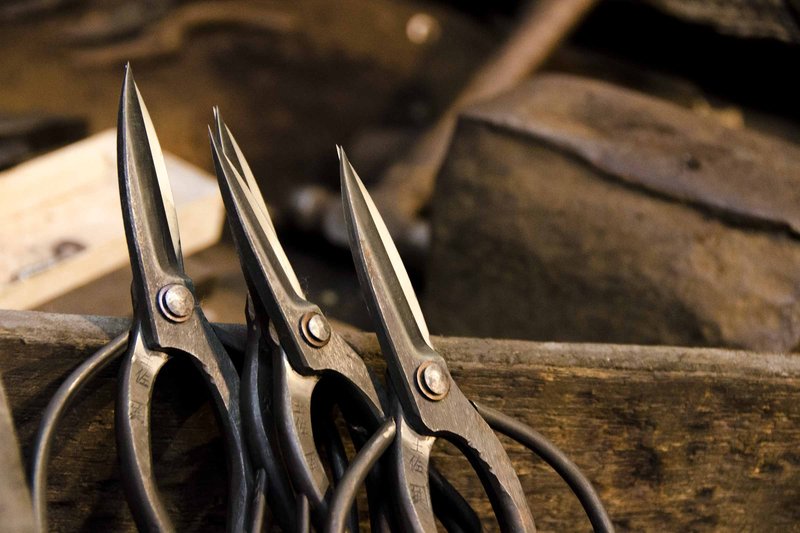 Kochi / InoSasaoka Hasami Seisakusho笹岡鋏製作所Scissors
Hand-forges gardening, flower-arranging and hedge shears using Tosa's free-forging technique.
WebsiteOnline shop ↗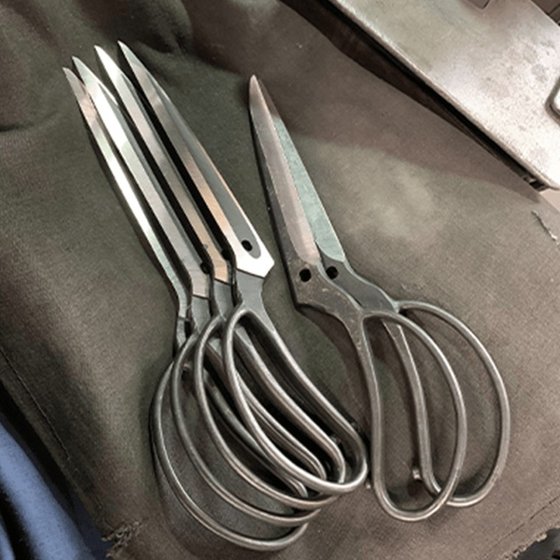 Hyogo / OnoYoshioka Edged-Tool Works吉岡刃物製作所Scissors
Makes gardening shears, specializing in hedge shears with blade alignment adjusted by skilled craftspeople.
WebsiteOnline shop ↗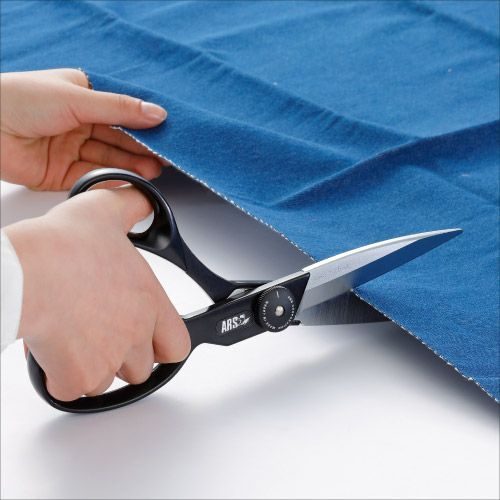 Osaka / SakaiARS CorporationアルスコーポレーションScissors
Sakai-based cutting-tool maker producing pruning shears, hedge shears and powered gardening cutters.
WebsiteOnline shop ↗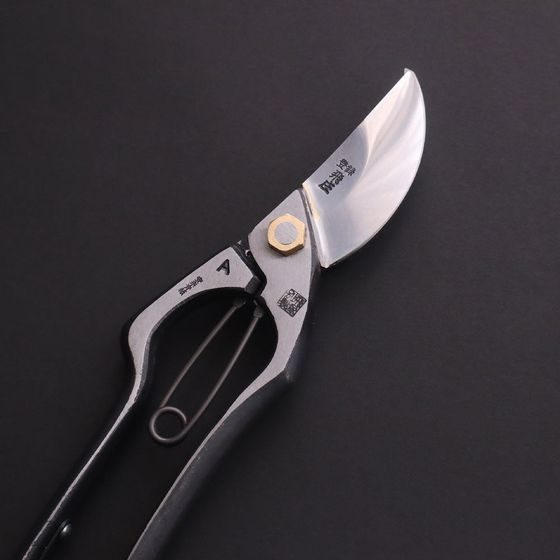 Yamagata / MurayamaTOBISHO飛庄(飛塚製鋏所)Bonsai & garden shears
Makes forged pruning, bud-cutting and hedge shears in Yamagata, including left-handed models.
WebsiteOnline shop ↗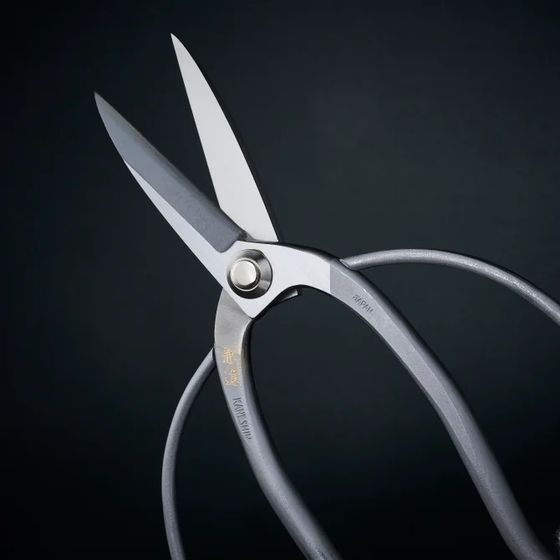 Gifu / SekiKaneshin兼進Bonsai & garden shears
Offers specialized bonsai tools including twig scissors, concave cutters, root cutters and wire cutters.
WebsiteOnline shop ↗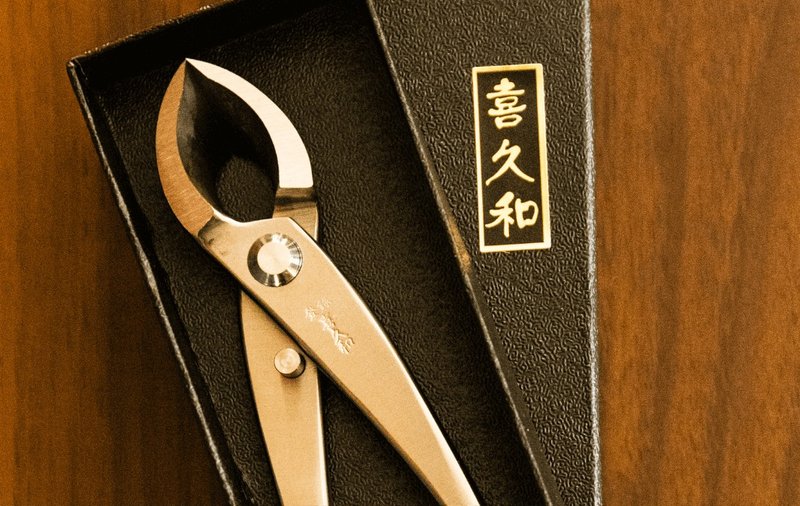 Niigata / SanjoKikuwa喜久和Bonsai & garden shears
Supplies over 150 types of bonsai scissors, inspecting and adjusting each tool before shipping.
WebsiteOnline shop ↗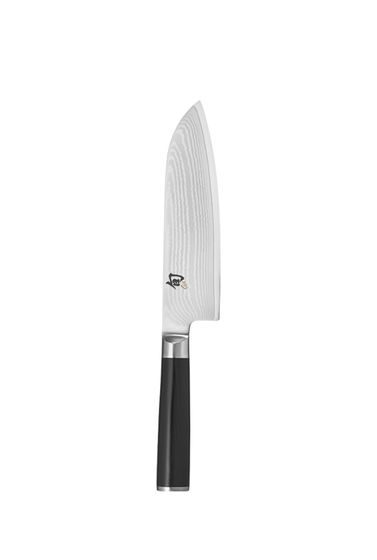 Tokyo / SekiKAI貝印Knives & blades from Seki
Makes Seki Magoroku and Shun kitchen knives, as well as nail clippers and hair-cutting scissors.
WebsiteOnline shop ↗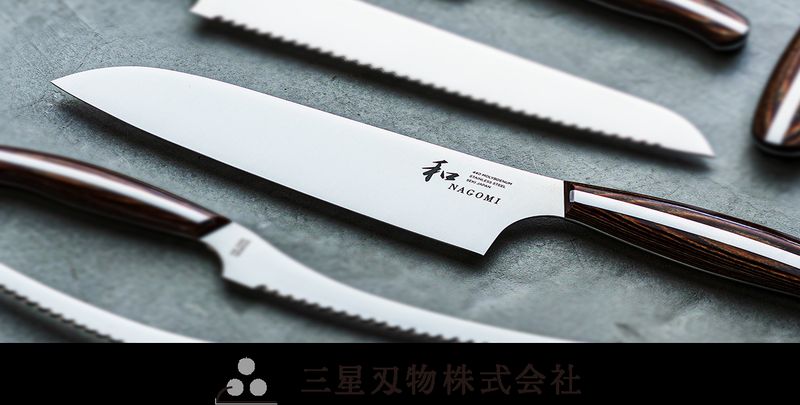 Gifu / SekiMitsuboshi Cutlery三星刃物Knives & blades from Seki
Makes NAGOMI kitchen knives with hand-finished handles and MITSUBOSHI Outdoors cutting tools.
WebsiteOnline shop ↗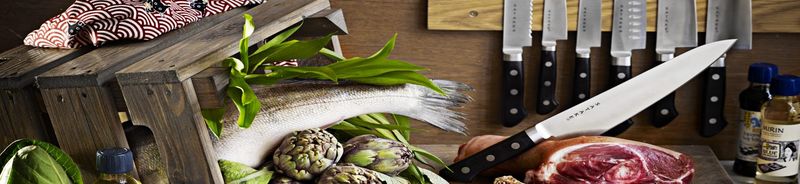 Gifu / SekiSatake Sangyo佐竹産業Knives & blades from Seki
Produces Japanese knives in Aogami steel and Western-style knives in powdered high-speed and Damascus steels.
Website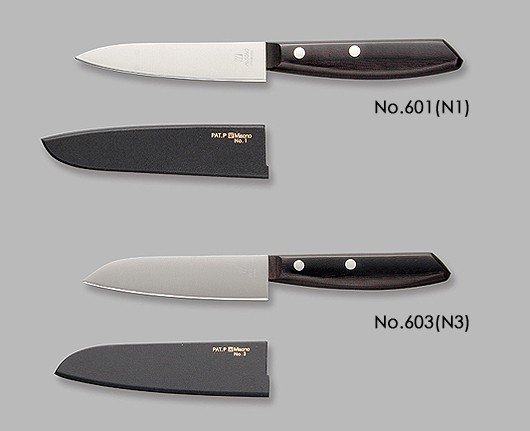 Gifu / SekiMisono Cutleryミソノ刃物Knives & blades from Seki
Makes professional steel and stainless-steel kitchen knives, from forging and heat treatment to final sharpening.
Website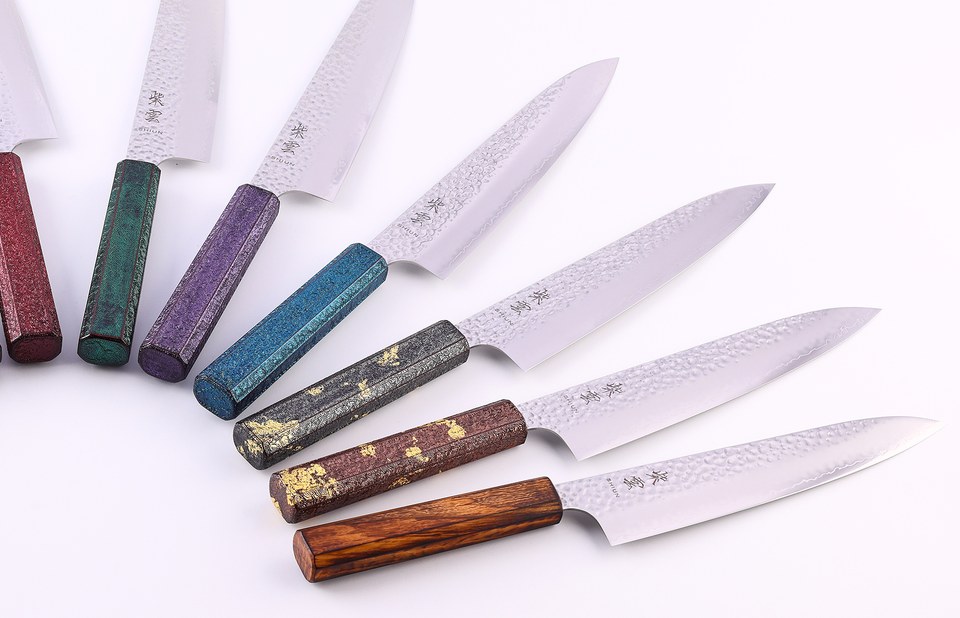 Gifu / SekiSeki Kanetsugu関兼次刃物Knives & blades from Seki
Makes Zuiun kiritsuke knives, Saiun Damascus-steel knives and one-piece stainless-steel kitchen knives.
Website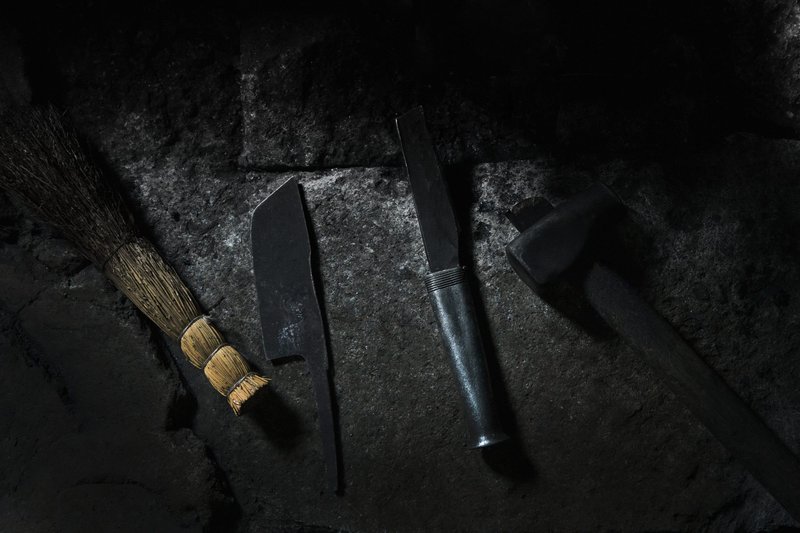 Osaka / SakaiSakai Takayuki (Aoki Hamono)青木刃物製作所(堺孝行)Sakai kitchen knives
Produces Sakai Takayuki knives, including specialized Japanese blades for fish and vegetables.
Website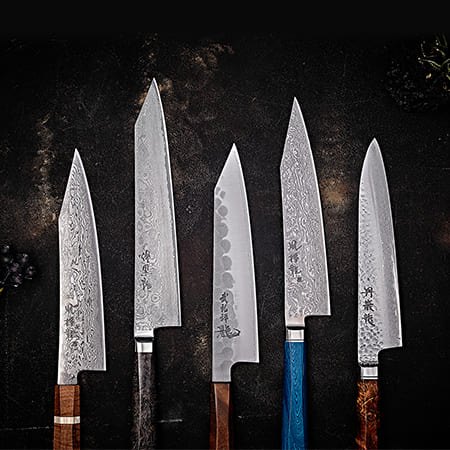 Fukui / EchizenRyusen Hamono龍泉刃物Hand-forged Echizen knives
Makes kitchen knives with rippled blades and natural-wood handles, alongside steak knives and cutlery.
WebsiteOnline shop ↗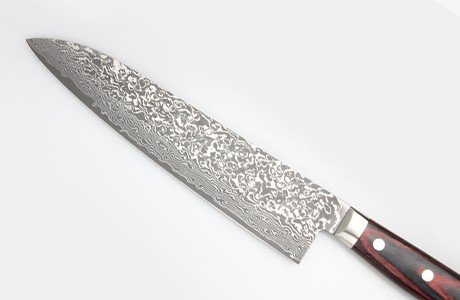 Fukui / EchizenKato Uchihamono Seisakushoカトウ打刃物製作所Hand-forged Echizen knives
A third-generation Echizen blade workshop producing kitchen knives and sickles through an integrated process.
Website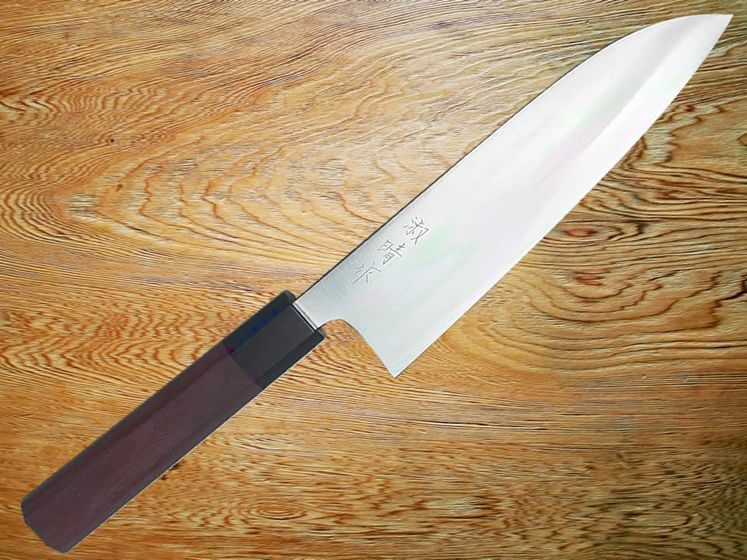 Kochi / SusakiSakoda Hamono迫田刃物Hand-forged Tosa blades
Forges gyuto, versatile funayuki and black-finished kitchen knives using Tosa blade-making techniques.
WebsiteOnline shop ↗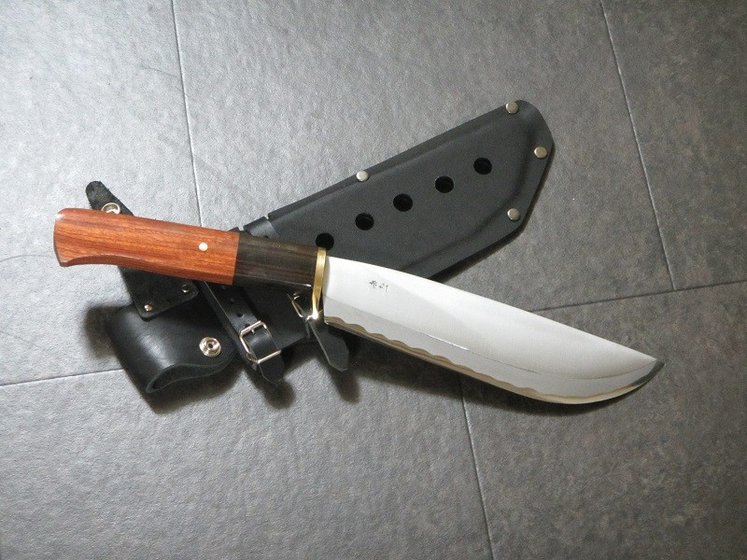 Kochi / KamiBlacksmith Kamimura上村鍛造所Hand-forged Tosa blades
Hand-forges Tosa-style ken-nata, waist-mounted hatchets and outdoor knives.
Website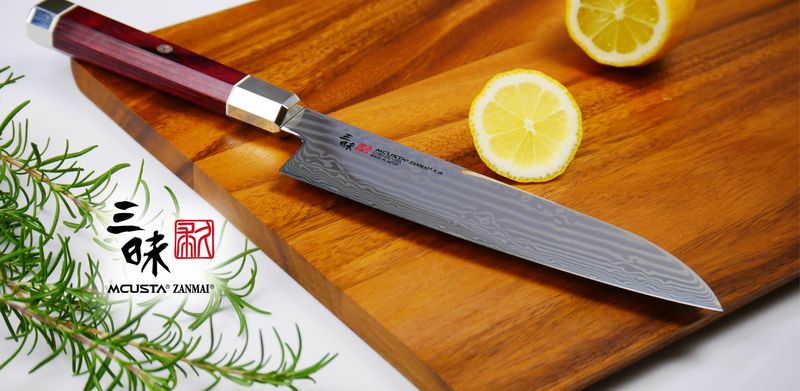
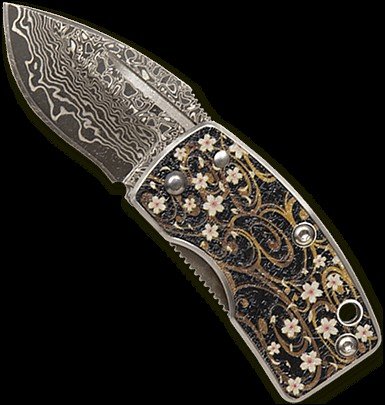 Seki, GifuG.SAKAIジー・サカイPocket and outdoor knives
Develops folding knives, fishing and camping blades, with a focus on specialized blade steels.
WebsiteOnline shop ↗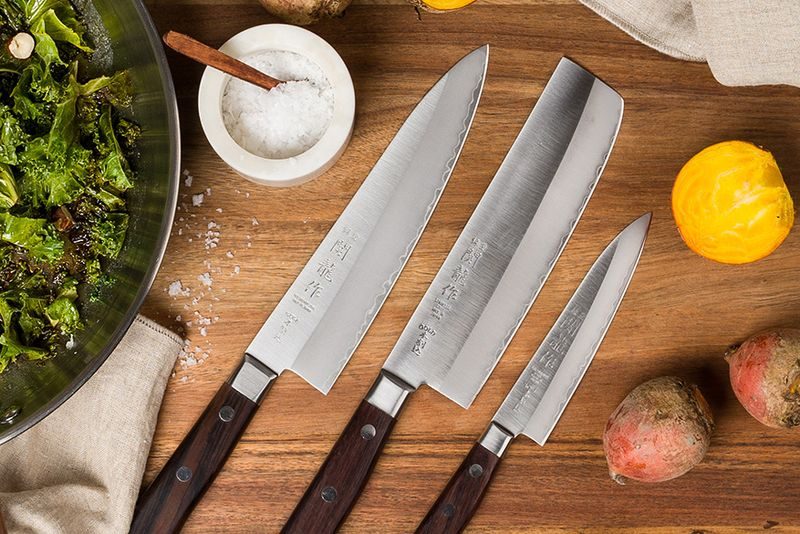 Seki, GifuOhzawa Swords大澤刀剣(関龍作)Home and professional kitchen knives
Makes kitchen knives and Japanese swords in Seki, combining swordmaking techniques with modern technology.
Website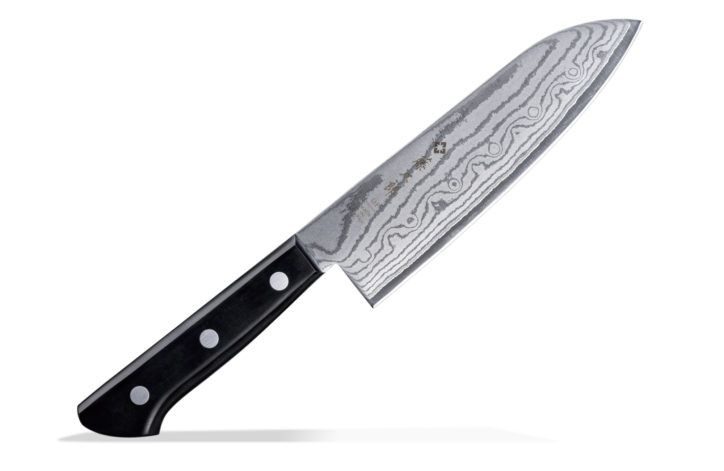 Tsubame, NiigataTOJIRO藤次郎Japanese and Western kitchen knives
Makes Japanese and Western kitchen knives in Tsubame-Sanjo, including all-stainless-steel models.
WebsiteOnline shop ↗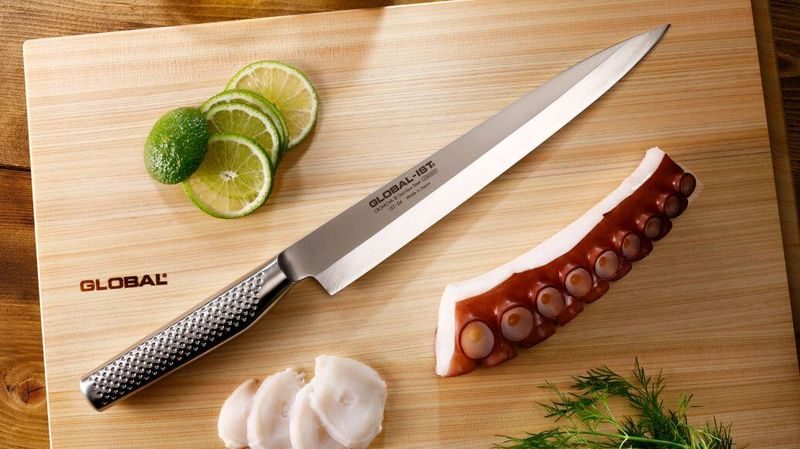 Tsubame, NiigataGLOBAL (Yoshikin)吉田金属工業(GLOBAL)All-stainless kitchen knives
Known for GLOBAL and GLOBAL-IST stainless steel kitchen knives, with a blade-sharpening service.
Website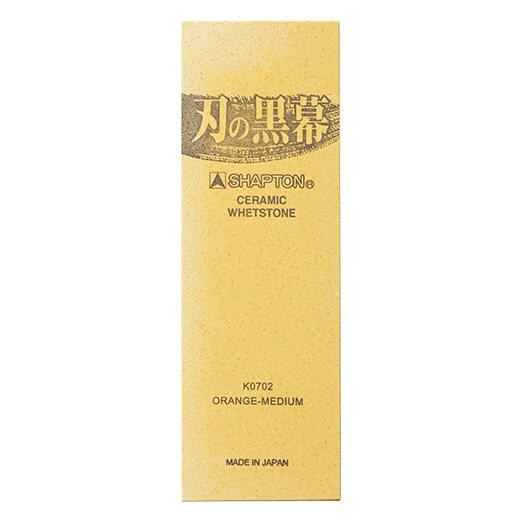 TochigiShaptonシャプトンCeramic whetstones (Kuromaku)
A whetstone maker in Tochigi known for its Kuromaku ceramic stones, ready to use without soaking, in grits from coarse to finishing.
Website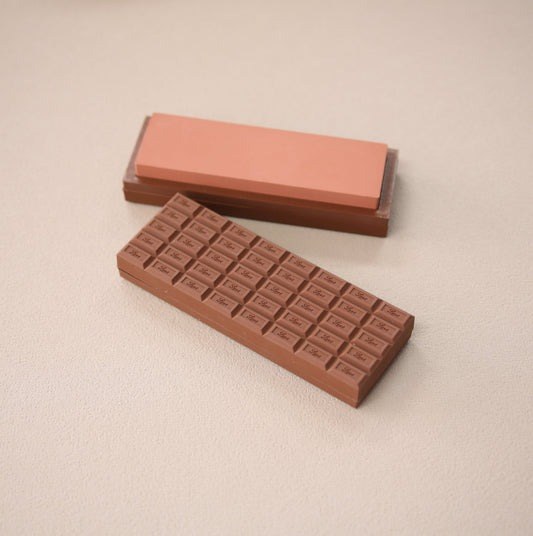 OsakaNaniwa Abrasiveナニワ研磨工業(エビ印)Whetstones for kitchen knives and tools
An Osaka whetstone maker known for its shrimp logo, making stones for kitchen knives and tools for both home cooks and professionals.
WebsiteOnline shop ↗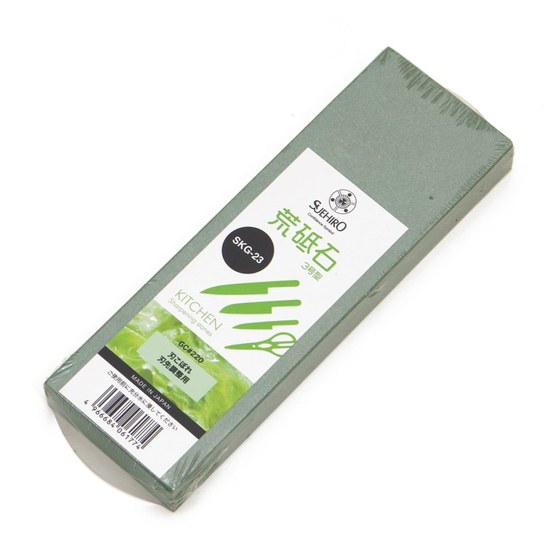 NiigataSuehiroスエヒロWhetstones and sharpeners
A whetstone specialist in Niigata making everything from home whetstones to simple knife sharpeners.
Website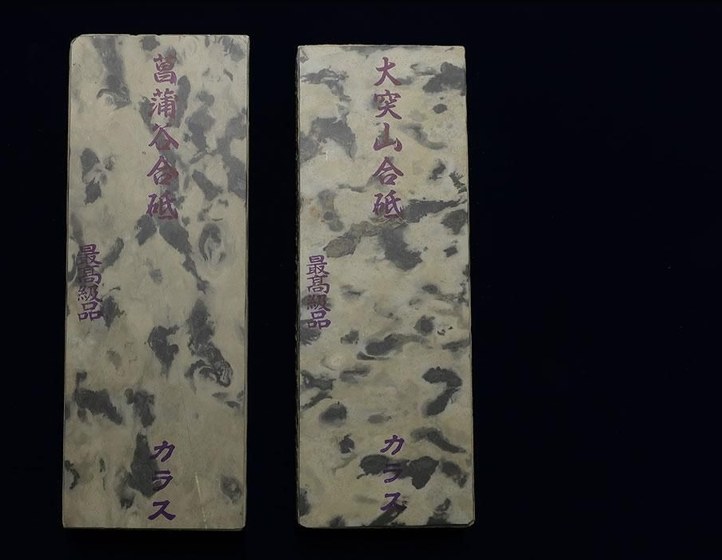 Tokyo / AsakusabashiMorihei森平Natural whetstones and blades
A natural whetstone and blade wholesaler in Asakusabashi, Tokyo, founded in 1933, handling many natural stones from Kyoto.
WebsiteOnline shop ↗FAQ
FAQ
How can I tell if a Japanese knife sold online is authentic?
Look for three specifics: the maker's mark on the blade, the town it was made in (Sakai, Seki, Echizen, Tosa, Sanjo…), and a named steel such as White #2, Blue #2 or VG10. Be careful with listings that sell only on a "Damascus look" and name neither maker nor town. Buying from the maker's own shop, or a store that names the maker and town, is the safest route.
Are Damascus Japanese knives fake?
Not necessarily — genuine layered steel shows a pattern too. But some knives have a pattern printed or etched only on the surface, and a pattern never proves a knife was made in Japan. Check the steel name and the maker's mark.
What is the best first Japanese knife?
A stainless or clad santoku or gyuto is easy to live with.
Can I buy Japanese knives from overseas?
It depends on the maker. Check each workshop's online shop in the list on this page; some ship worldwide.