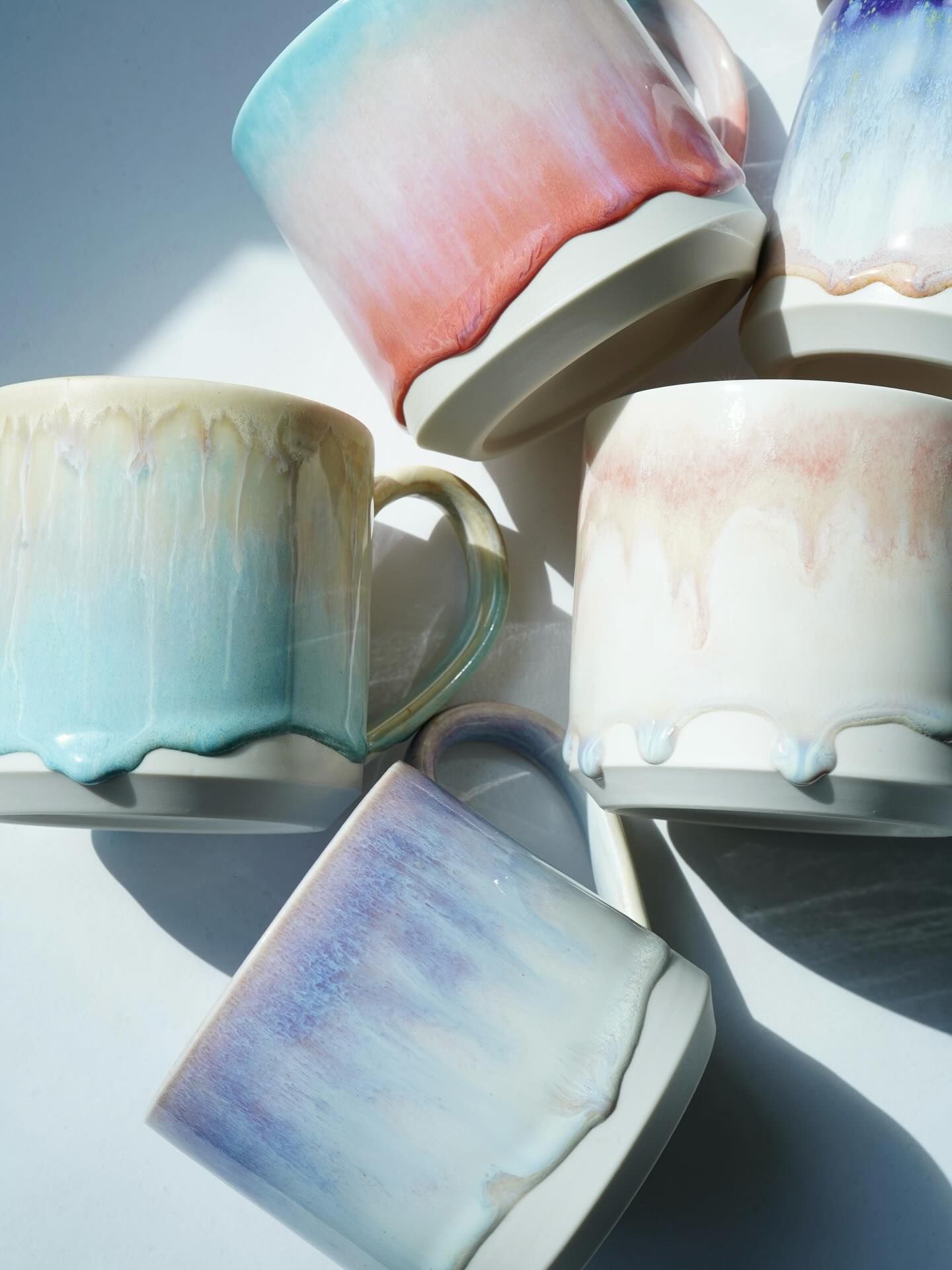
Mino ware
Mino ware is pottery made in Tajimi, Toki, Mizunami and nearby towns in Gifu Prefecture. It is Japan’s largest producer of tableware, said to account for about 60% of the national total — much of the everyday crockery in Japanese homes is Mino ware. Yet in the Momoyama period Mino also produced celebrated tea wares such as Shino and Oribe.
Why pottery grew in Mino
The area has made ceramics for more than 1,300 years thanks to three natural conditions. The first is clay left by an ancient lake: sediment carried downstream settled in the lake and broke down into fine mud, forming excellent clay.
The second is the gentle slope of low hills, ideal for building kilns. The third is plentiful red pine forest. Red pine contains natural oils, so it burns longer and hotter than other woods — perfect for firing pottery.
Kato Kagemitsu, regarded as the founder of Mino pottery, is said to have trained in Seto, then moved to Kujiri in Toki, his mother’s home, where he found good clay and built a kiln.
Momoyama: the tea ceremony and Mino masterpieces
As the tea ceremony spread in the late 16th century, Mino produced one celebrated tea ware after another. Three styles defined Mino ware in this period: Seto-guro, Ki-Seto and Shino.
The first, Seto-guro, used an iron-rich glaze; bowls were pulled red-hot from the kiln and plunged into water, giving a deep, glossy black. That deep black became possible only with anagama and ogama kilns that could reach 1,200°C.
Later came Oribe-guro, combining Seto-guro’s black with free, distorted shapes. Oribe ware, named after the tea master Furuta Oribe, with its green glaze and bold forms, remains Mino’s signature style.
Edo to Meiji: Japan’s largest pottery region
From the early Edo period to the Meiji era, Mino grew enormously. By the late Meiji era there were about 300 kilns, 800 raw-material processors, 130 glaze makers and 300 dealers, and output is said to have been three times that of Seto and twice that of Arita. Porcelain production began in early Meiji and is now the mainstream.
In the Showa era, Mino added a mass-production system to its history and aesthetics, and became one of Japan’s largest local industries.
What makes Mino ware distinctive
Mino ware’s defining trait is that it has no single defining look. It makes both pottery and porcelain, in countless colours, shapes and glazes, from home tableware to restaurant ware. Its strength is the ability to make whatever each era needs.
At the same time, some kilns still fire Momoyama-style Shino and Seto-guro in wood-fired anagama, and kilns such as Kobeegama in Tajimi, founded in 1804, have produced Living National Treasures.
How to choose and care
For everyday use, porcelain or sturdy stoneware that is microwave- and dishwasher-safe is easiest. With earthy pieces like Shino and Oribe, soak them in water before first use so they absorb less and stain less.
Sources
MAKERS
Makers
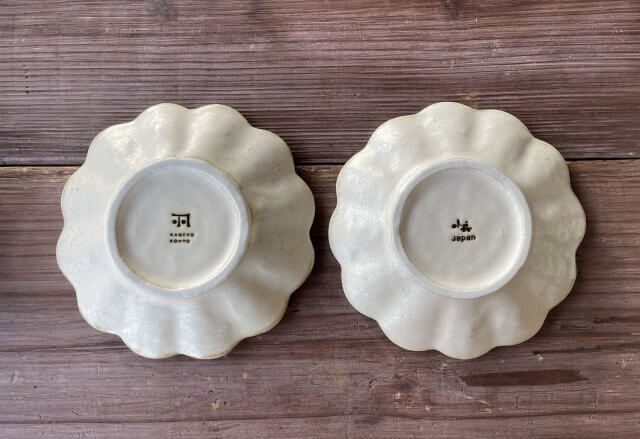 Mino, GifuKaneko Kohyoカネコ小兵製陶所Mino ware tableware
Known for glossy Giyaman tableware and flower-shaped Rinka plates and bowls.
WebsiteOnline shop ↗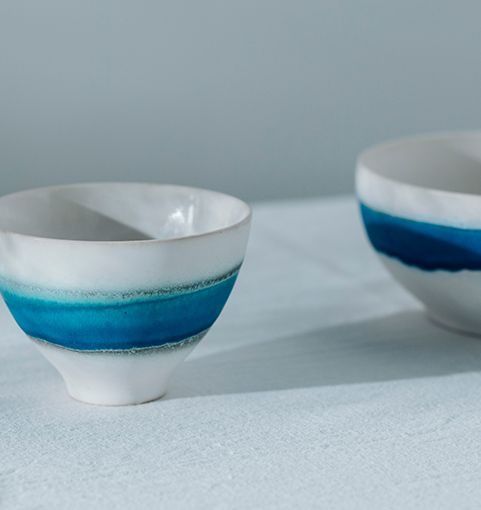 Gifu / TokiSAKUZAN作山窯(SAKUZAN)Mino ware tableware
Creates Mino ware tableware in collections such as DAYS and URBAN, exploring color, shape and texture.
WebsiteOnline shop ↗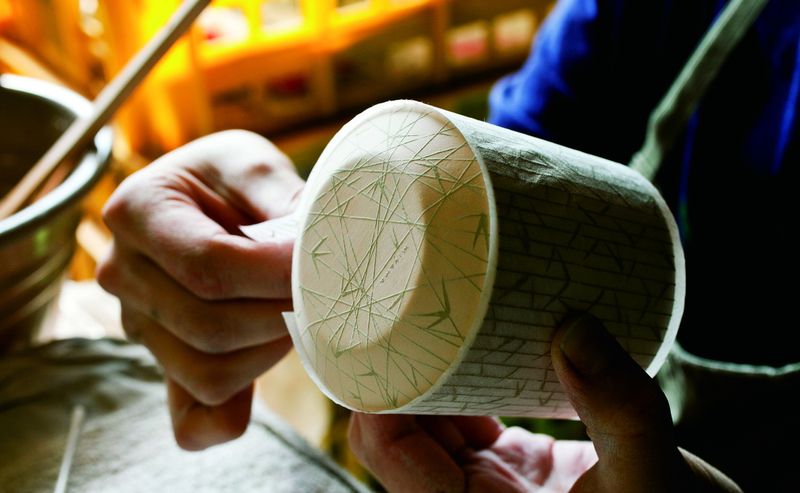 Gifu / Mizunamimiyama.深山(miyama.)Mino ware tableware
Produces white porcelain tableware for homes and hospitality, including the isola collection.
WebsiteOnline shop ↗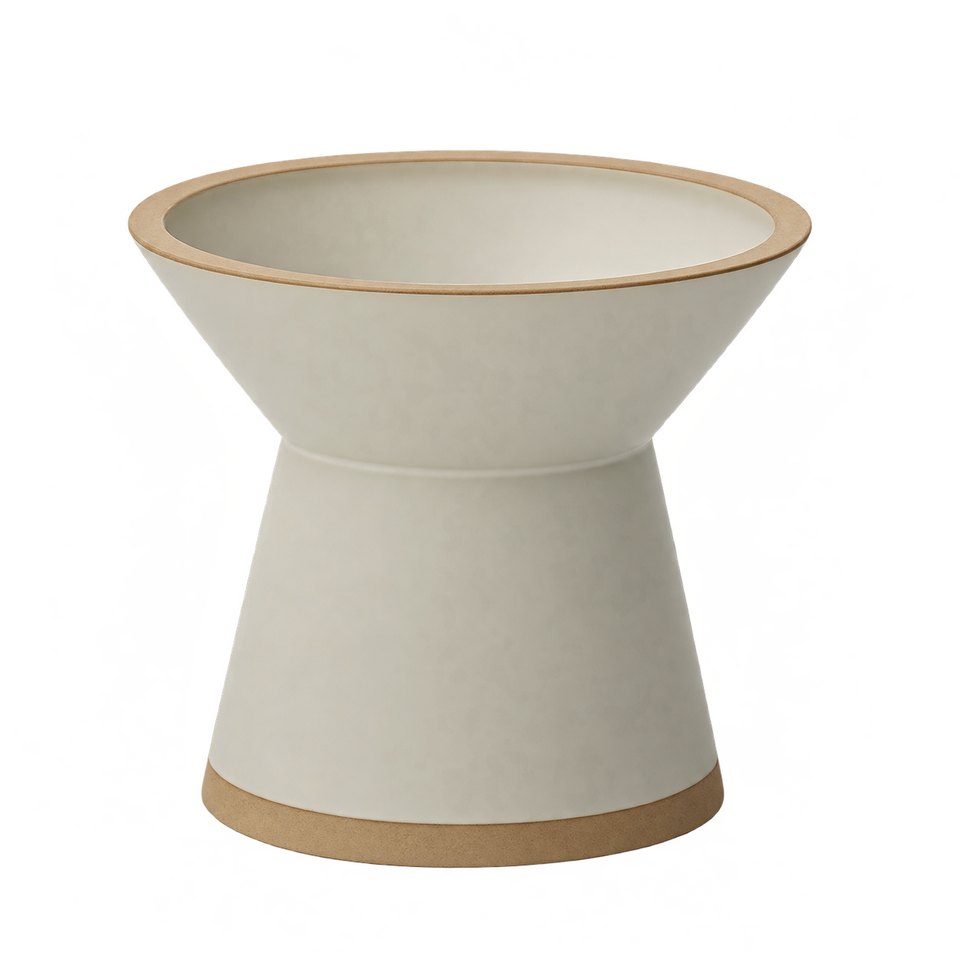 Gifu / TajimiMaruasa Porcelain丸朝製陶所Mino ware tableware
Specializes in porcelain cups and mugs, including custom-made tableware for cafes and businesses.
Website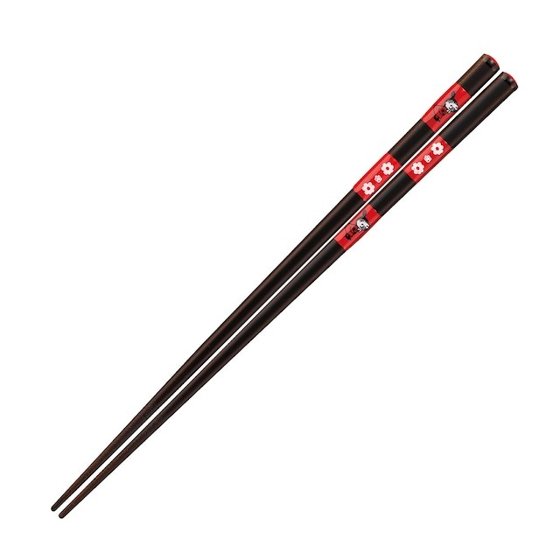 Mizunami, GifuYamaka Shoten山加商店Mino-ware tableware
Produces ceramic tableware for homes and restaurants, including character-themed collections.
WebsiteOnline shop ↗FAQ
FAQ
What is the difference between Shino and Oribe?
Shino has a soft white glaze; Oribe has a green glaze with bold shapes and painting.
Can Mino ware go in the microwave?
Most porcelain can; stoneware and pieces with gold are best kept out. Check each item.
Where can I buy Mino ware?
From kiln and trading-house online shops, and at pottery fairs in Toki and Tajimi.