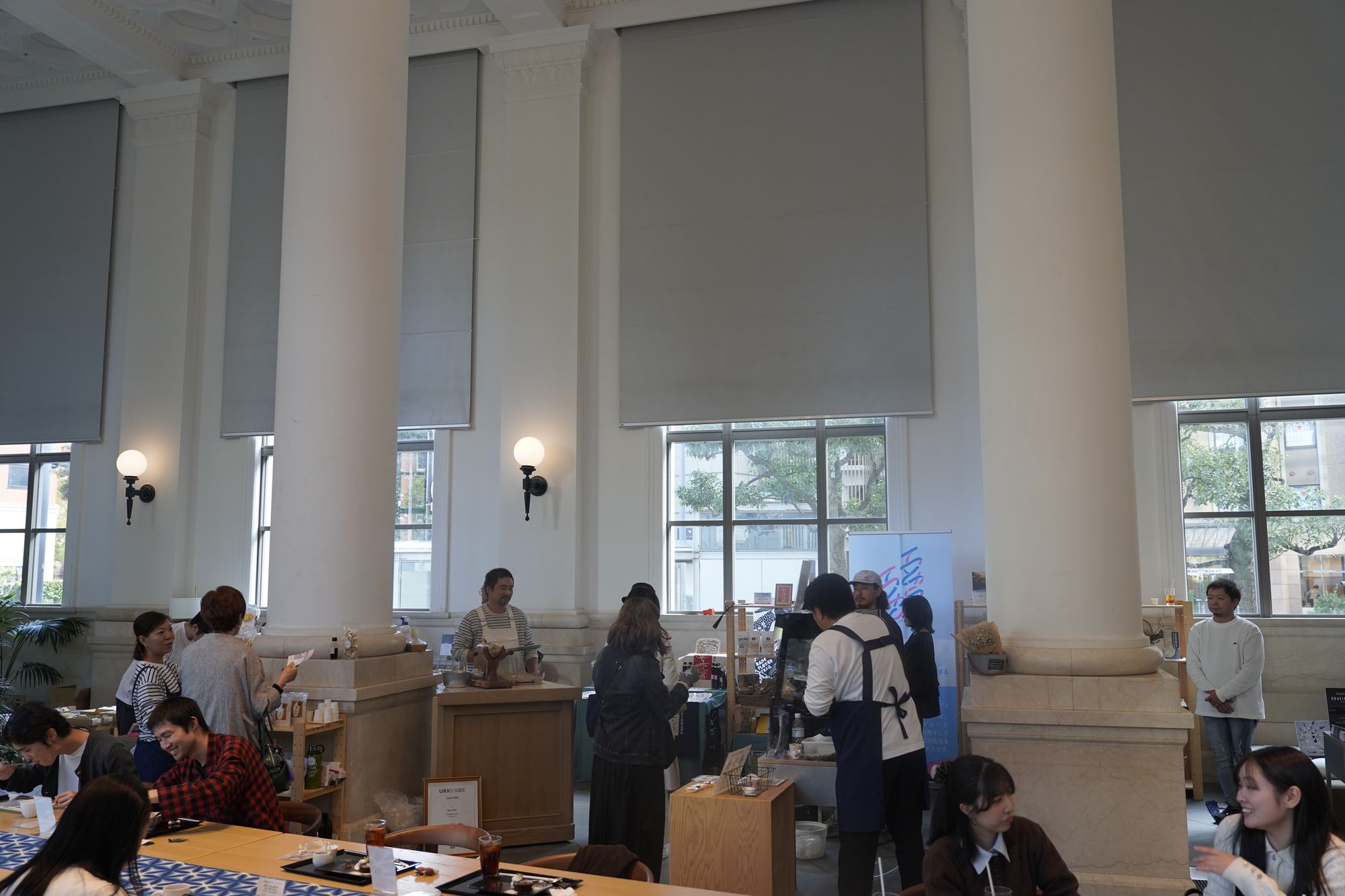
Sakai knives
Sakai uchihamono, the forged knives of Sakai in Osaka, are the choice of many of Japan’s professional chefs. The edge of their single-bevel knives — deba, yanagiba, usuba — comes from craftsmen who forge and sharpen each one by hand. Here is the history of Sakai’s blades, from tools for building ancient burial mounds to the tobacco knives that made the town famous, and what makes them distinctive.
Why smiths settled in Sakai
Metalworking in Sakai is said to date back to the 5th century, the Kofun period. Sakai is home to many great burial mounds, including the tomb of Emperor Nintoku. Building them required huge numbers of hoes and spades, and smiths gathered from across Japan to make them and settled here, laying the foundation of Sakai’s smithing.
Another reason is that Sakai was a port and merchant city. When guns and tobacco arrived from Portugal in the 16th century, Sakai became one of Japan’s leading gun-making centres. It was a place where new goods and techniques arrived first.
Tobacco knives and the “Sakai kiwame” mark
In the late 16th century, tobacco from Portugal began to be grown in Japan, and knives were needed to shred the leaves. Sakai’s tobacco knives were sharper than imported ones, and the Edo shogunate allowed them to be sold stamped with the “Sakai kiwame” quality seal.
This made Sakai’s blades famous across Japan and established cutlery as a local industry. Skills honed on tobacco knives later spread to single-bevel knives for cooking.
From Meiji to today
According to the History of Sakai City, at its Meiji-era peak the town had 17 gunsmiths, 23 smiths making farm tools and 30 making knives and other fine blades. Some workshops, such as Mizuno Tanrenjo founded in 1872, still make Japanese swords and knives today.
Around 100 craftsmen now work in Sakai’s forged-blade industry. They have the deep trust of professional chefs, but finding successors is a challenge, and the cutlery associations work with the city to train young craftsmen. Sakai’s metalworking skills also live on in its bicycle industry.
What makes Sakai knives distinctive
Sakai knives have long been made by division of labour: the blacksmith who forges red-hot soft iron and steel, the sharpener who grinds the edge, and the wholesaler who fits the handle, engraves the name and brings the knife to market. Each step is done by hand by specialists.
Forging compacts the metal, giving a keen edge, durability and beauty. Sakai excels at single-bevel Japanese knives such as deba, yanagiba and usuba, the tools of professional Japanese cuisine.
How to choose and care
Single-bevel knives each have a set purpose, such as slicing sashimi or filleting fish. For a single knife at home, a double-bevel gyuto or santoku is easier to start with. Wash and dry carbon-steel knives straight after use, and buy from a shop or workshop that can resharpen them so they last for decades.
Sources
MAKERS
Makers
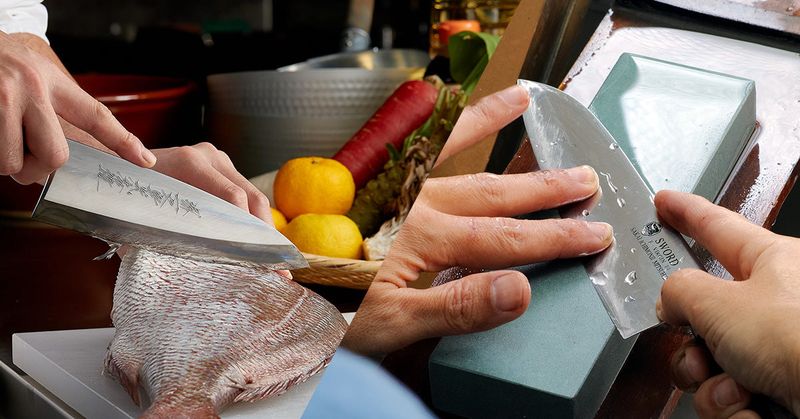 Sakai, OsakaSakai Ichimonji Mitsuhide堺一文字光秀Kitchen knives
Offers a wide range of Japanese and Western kitchen knives, including deba, yanagiba and usuba.
WebsiteShips overseas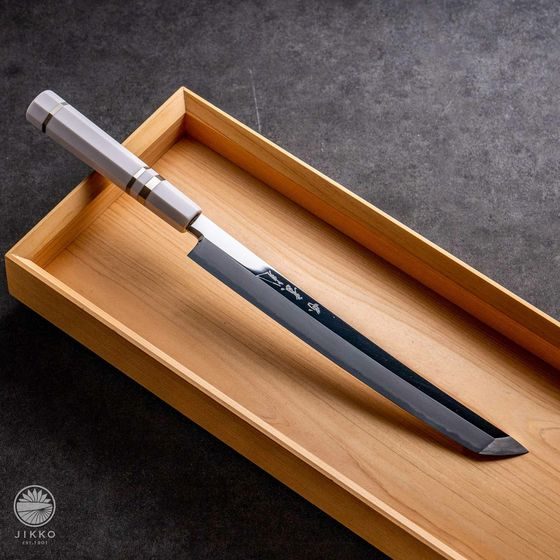 Sakai, OsakaJIKKO實光刃物Japanese and Western knives
Makes Japanese and Western kitchen knives and offers final edge sharpening and knife repair services.
WebsiteShips overseas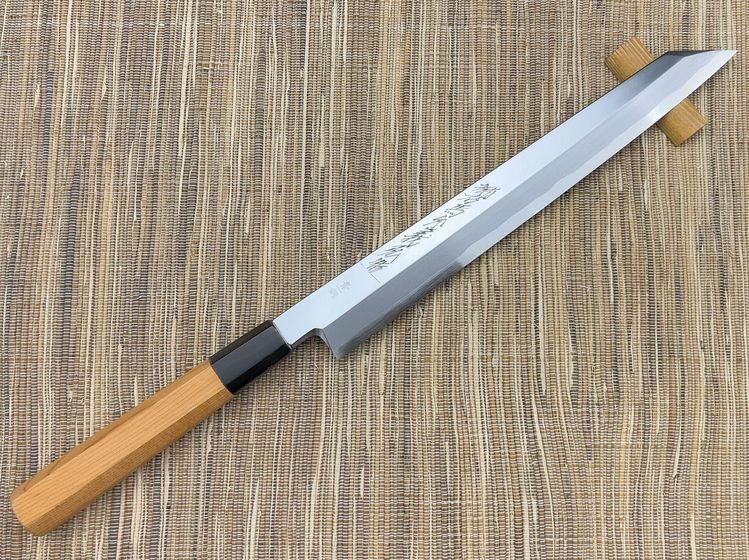 Sakai, OsakaYamawaki Hamono Seisakusho山脇刃物製作所(郷右馬允義弘)Sakai forged Japanese kitchen knives
Manufactures and sells Sakai kitchen knives under the Gou Umanosuke Yoshihiro brand.
WebsiteOnline shop ↗Ships overseas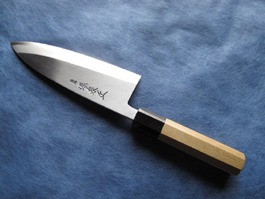 Sakai, OsakaMatsuo Hamono Seisakusho松尾刃物製作所(源泉正)Handmade Japanese kitchen knives
Sakai knife maker handcrafting Japanese kitchen knives in its own factory under the Minamoto Izumimasa brand.
WebsiteShips overseas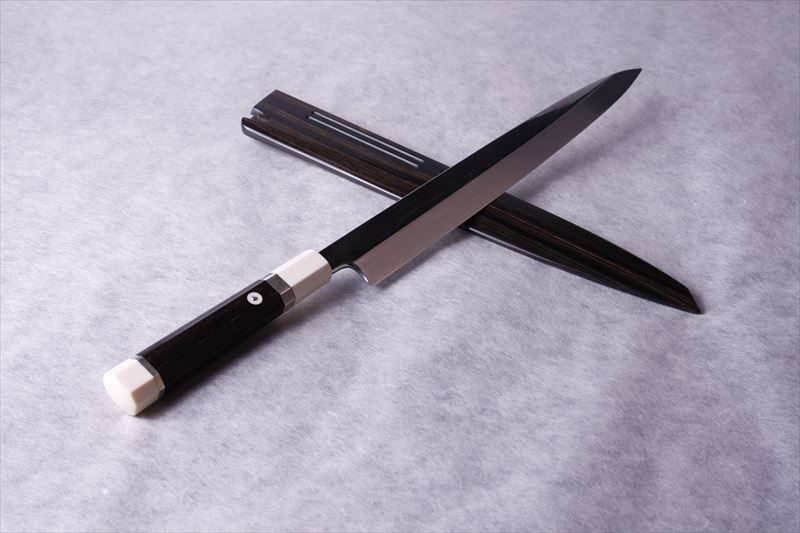 Sakai, OsakaTakahashikusu高橋楠Japanese and Western kitchen knives
Sakai forged knife manufacturer and wholesaler offering Japanese and Western knives and private-label production.
WebsiteShips overseas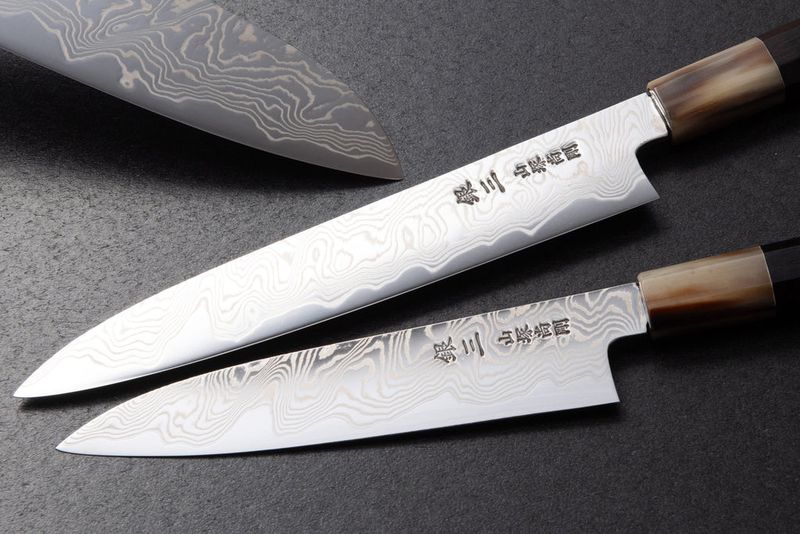 Sakai, OsakaYamatsuka Shogo山塚尚剛Forged Japanese kitchen knives
Hand-forged Ginsan stainless steel knives, including santoku, yanagiba and kiritsuke gyuto.
WebsiteShips overseas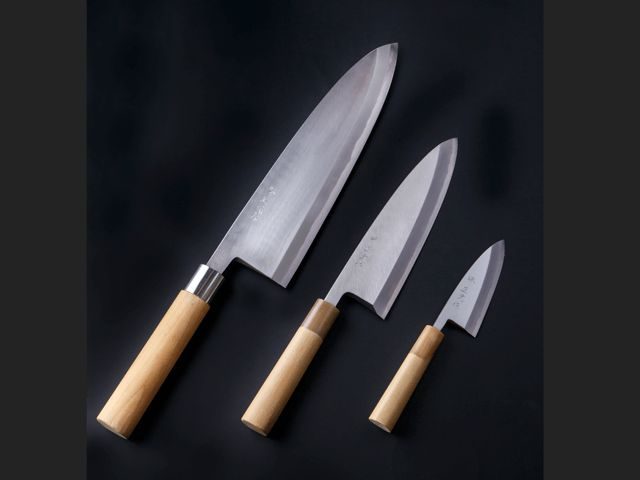 Sakai, OsakaSakai Masamoto堺正元刃物店Sakai forged knives
Offers Sakai knives with HACCP-compliant resin handles and custom-fitted handles.
Website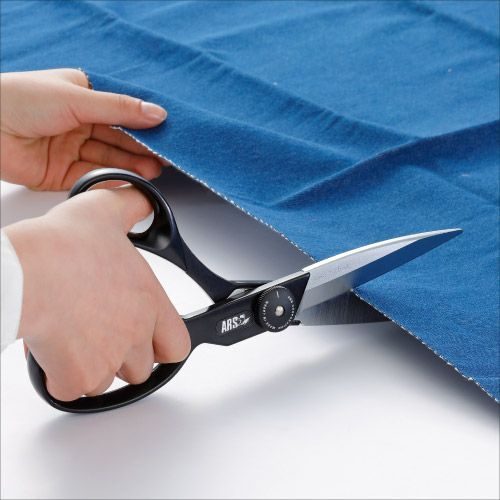 Osaka / SakaiARS CorporationアルスコーポレーションScissors
Sakai-based cutting-tool maker producing pruning shears, hedge shears and powered gardening cutters.
WebsiteOnline shop ↗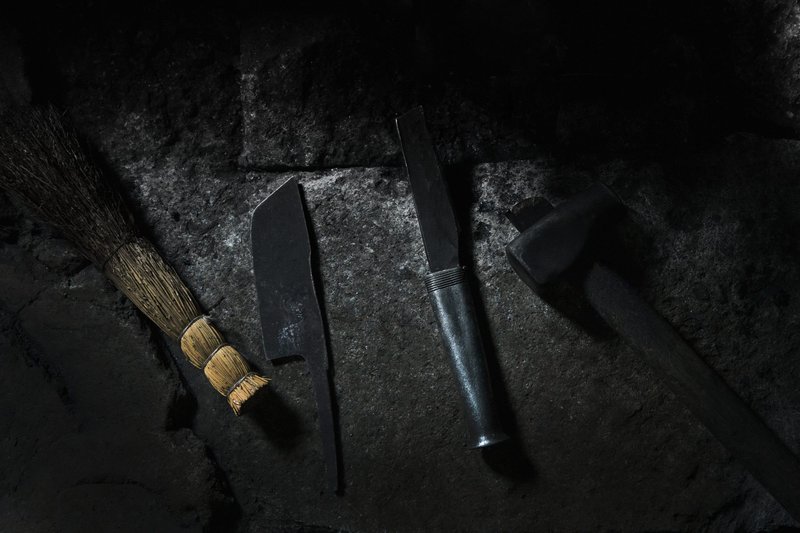 Osaka / SakaiSakai Takayuki (Aoki Hamono)青木刃物製作所(堺孝行)Sakai kitchen knives
Produces Sakai Takayuki knives, including specialized Japanese blades for fish and vegetables.
WebsiteFAQ
FAQ
Which Sakai knife is best for home cooking?
A double-bevel santoku or gyuto is easiest to start with. A deba is useful if you often fillet fish.
What is the difference between honyaki and kasumi?
Honyaki is made entirely of steel; kasumi combines steel with soft iron. Kasumi is easier to sharpen and more affordable.
Is Sakai cutlery an official traditional craft?
Yes, it was designated a national traditional craft in 1982.