
Japanese scissors
Japanese scissors come in clearly defined forms for each task: nigiri-basami for thread, tachi-basami for cloth, ueki-basami for branches and hana-basami for flower arranging. All are made with smithing skills inherited from Japanese swordmaking.
Where scissors came from
There are two basic forms: nigiri-basami, a single strip of metal bent into a U so the blades meet, and pivoted X-shaped scissors.
Scissors are thought to have reached Japan via China around the 6th century, and copper-plated scissors survive in the Shosoin repository in Nara. In ancient and medieval times spring scissors were most common, but because blades were used for cutting cloth, scissors were limited to craftsmen and ikebana.
From the Muromachi to the Edo period, X-shaped scissors evolved into distinctly Japanese tools for flower arranging and tending gardens. Mass production began in the Edo period, and scissors spread to ordinary households from the late Edo to the Meiji era.
Scissors made by swordsmiths
Many Japanese scissors grew out of swordsmithing. Hakata scissors in Fukuoka trace back about 700 years to scissors brought from China by Xie Guoming, a Southern Song merchant who settled in Hakata, and were long called “Tang scissors”. Because swordsmiths made them, they incorporate many sword-making methods.
At the end of the Edo period the swordsmith Yasukochi Usuke perfected a form close to today’s, and his apprentice Takayanagi Kamekichi set up on his own in 1887 and sold them as “Hakata scissors”. On Tanegashima, Tane scissors were made as a sideline by sword and gun smiths, and after the Meiji ban on carrying swords they became part of the island’s industry.
What makes Japanese scissors distinctive
Like Japanese swords, Japanese scissors are made by forge-welding hard steel to soft iron. Keen steel forms the cutting edge while tough iron forms the body, so the scissors cut well and resist breaking.
For Hakata scissors, the smith shapes a bar of iron, attaches steel and hammers carefully again and again to adjust how the two blades meet. Hardening and tempering equalise the blades’ strength before they are sharpened and joined. Their sharpness is compared to a sword’s, and with care they last a lifetime.
Choosing by purpose
Choose nigiri-basami for thread, long-bladed tachi-basami for cloth, ueki-basami for garden trees and bonsai, and hana-basami for flowers. Banshu in Hyogo is Japan’s largest producer of nigiri-basami, while Sanjo in Niigata is known for garden and bonsai scissors.
Above all, never cut anything other than what they are meant for — cutting paper with fabric shears, for example, quickly dulls the edge.
Care
Carbon-steel scissors can rust, so wipe away dirt and moisture after use and oil the blades lightly now and then. When they dull, have them resharpened by a cutler or smith so they last for years.
Sources
MAKERS
Makers
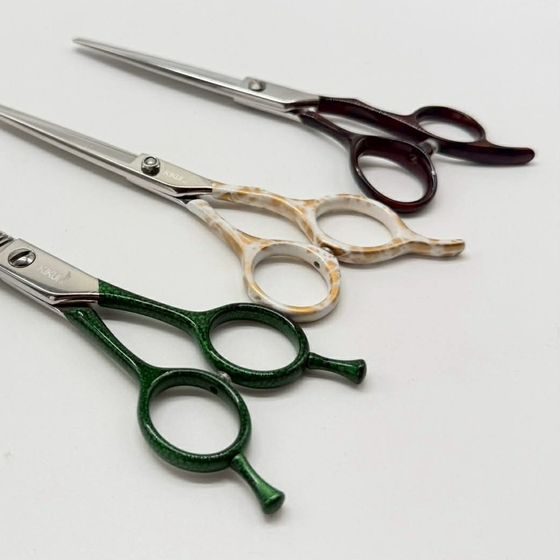 —Kikui Scissorsキクイシザース(菊井鋏製作所)Scissors
Makes cobalt hairdressing scissors, with made-to-order pairs for individual stylists plus sharpening and repair.
WebsiteOnline shop ↗Overseas on request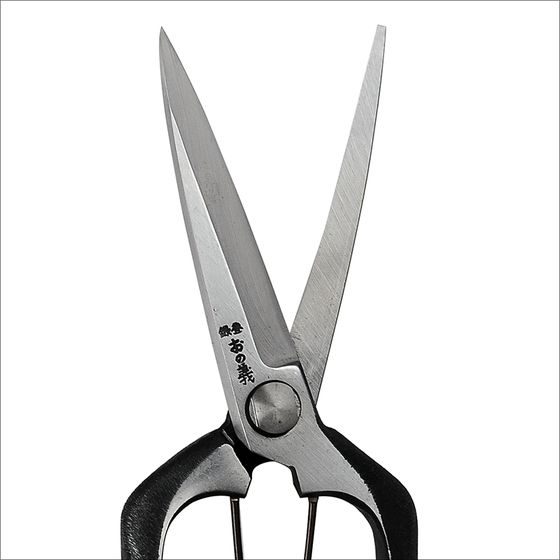 Ono, HyogoOnoyoshi Hamonoおの義刃物Pruning and garden shears
A garden shears manufacturer founded in 1936 in Ono, Hyogo Prefecture.
WebsiteOnline shop ↗Ships overseas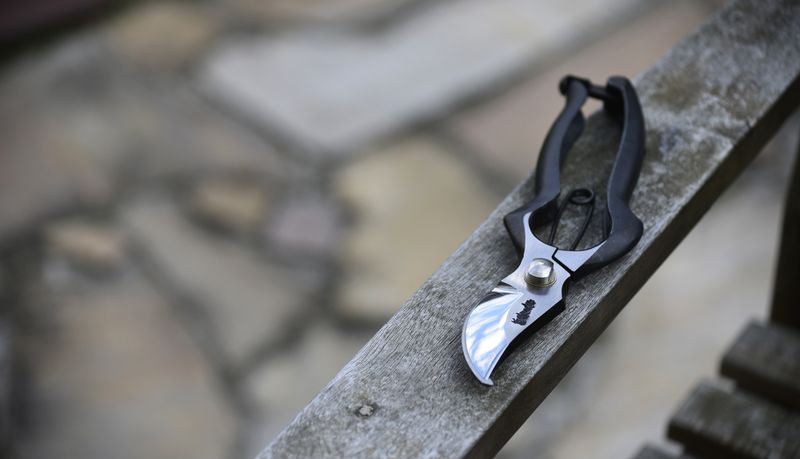 Sanjo, NiigataToyama Hamono外山刃物Pruning and garden shears
Makes forged-steel pruning, bonsai and flower scissors, with sharpening and repair services.
WebsiteShips overseas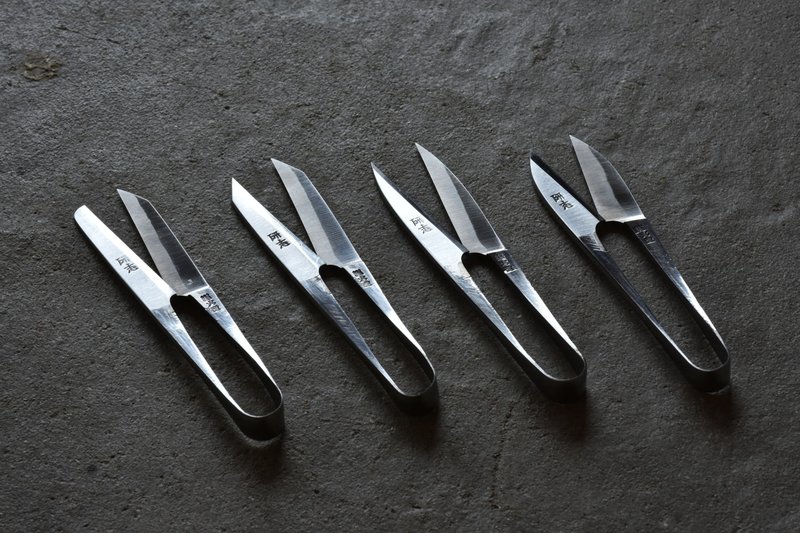 Hyogo / OnoTerasaki Hamono寺﨑刃物Scissors
Hand-forges Kenshi thread snips using the full-fire forging method, suitable for cutting threads and fabric.
WebsiteOnline shop ↗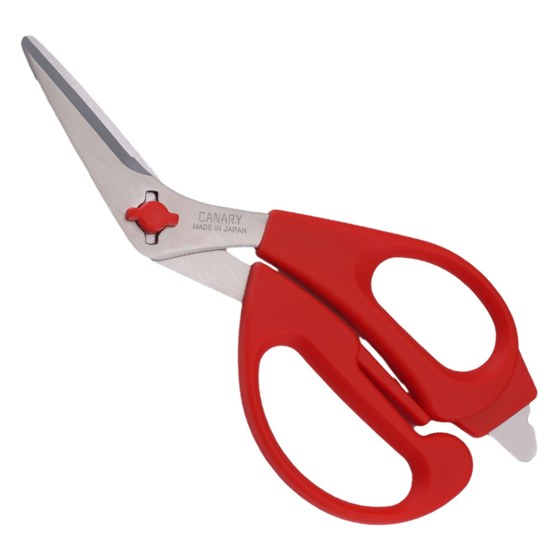 Gifu / SekiHasegawa Cutlery長谷川刃物(CANARY)Scissors
Produces CANARY and HARAC scissors and cutting tools for sewing, office work and crafts in Seki, Gifu.
WebsiteOnline shop ↗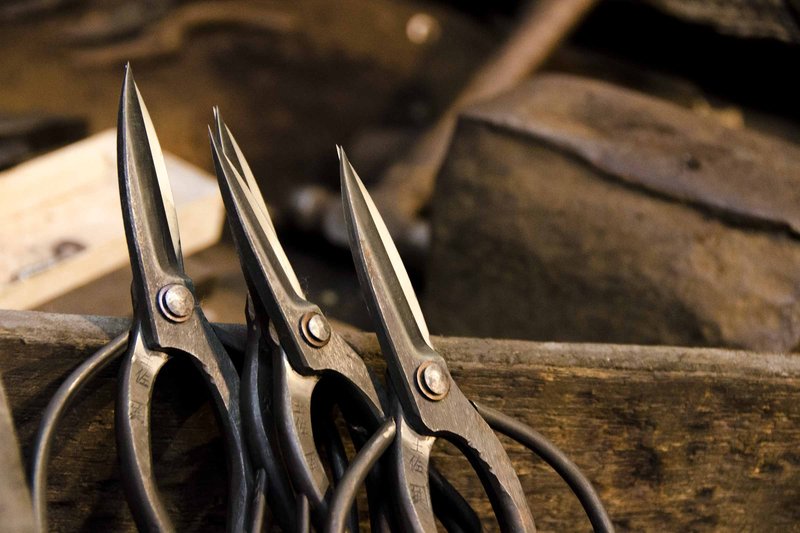 Kochi / InoSasaoka Hasami Seisakusho笹岡鋏製作所Scissors
Hand-forges gardening, flower-arranging and hedge shears using Tosa's free-forging technique.
WebsiteOnline shop ↗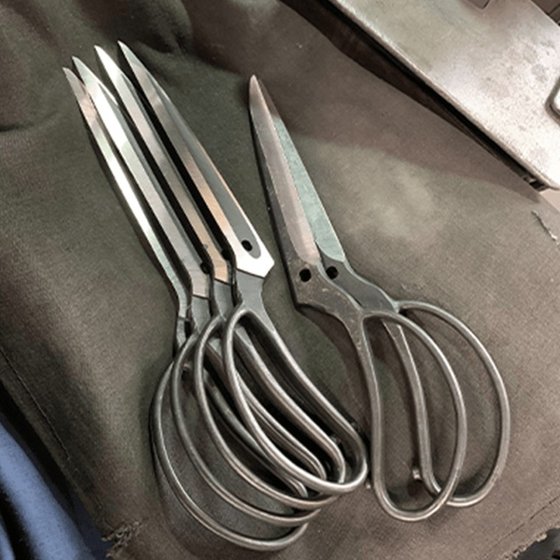 Hyogo / OnoYoshioka Edged-Tool Works吉岡刃物製作所Scissors
Makes gardening shears, specializing in hedge shears with blade alignment adjusted by skilled craftspeople.
WebsiteOnline shop ↗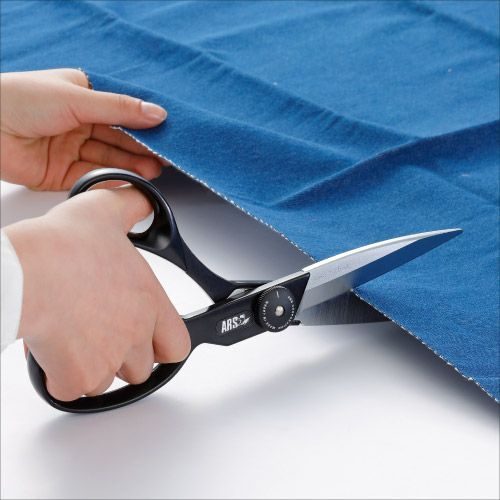 Osaka / SakaiARS CorporationアルスコーポレーションScissors
Sakai-based cutting-tool maker producing pruning shears, hedge shears and powered gardening cutters.
WebsiteOnline shop ↗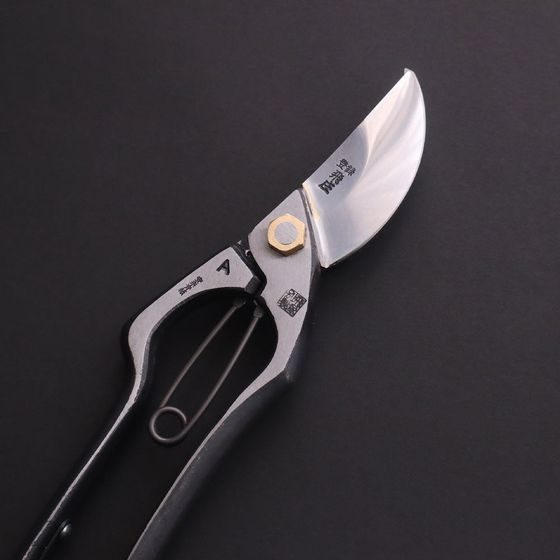 Yamagata / MurayamaTOBISHO飛庄(飛塚製鋏所)Bonsai & garden shears
Makes forged pruning, bud-cutting and hedge shears in Yamagata, including left-handed models.
WebsiteOnline shop ↗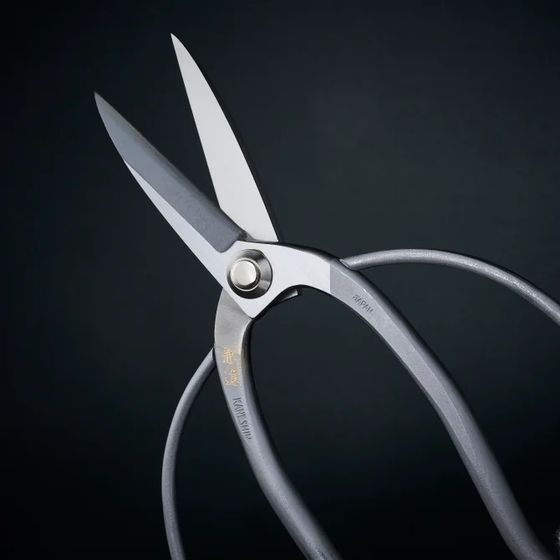 Gifu / SekiKaneshin兼進Bonsai & garden shears
Offers specialized bonsai tools including twig scissors, concave cutters, root cutters and wire cutters.
WebsiteOnline shop ↗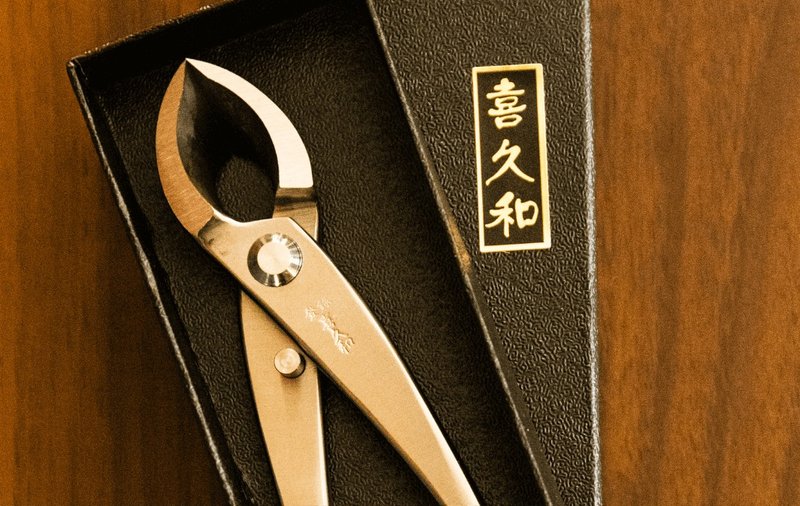 Niigata / SanjoKikuwa喜久和Bonsai & garden shears
Supplies over 150 types of bonsai scissors, inspecting and adjusting each tool before shipping.
WebsiteOnline shop ↗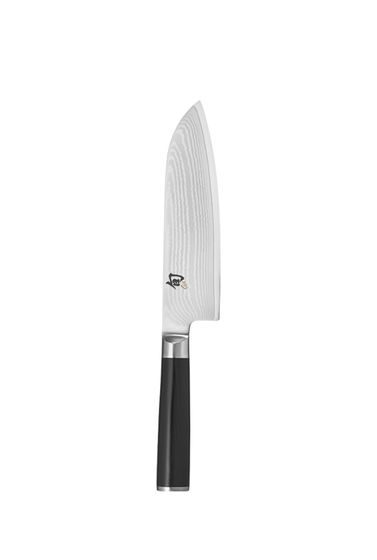 Tokyo / SekiKAI貝印Knives & blades from Seki
Makes Seki Magoroku and Shun kitchen knives, as well as nail clippers and hair-cutting scissors.
WebsiteOnline shop ↗
FAQ
FAQ
What are nigiri-basami used for?
Snipping thread, embroidery and other small close-up work.
Do Japanese steel scissors rust?
Carbon steel can rust. Dry them after use and oil them occasionally and they will last for years.
Can Japanese scissors be resharpened?
Most hand-forged scissors can. Ask the shop or a specialist sharpener.