Tosa knives
Tosa uchihamono are forged blades made in eastern and central Kochi Prefecture, especially in Tosayamada in Kami City. With over 400 years of history, their defining feature is jiyu-tanzo, “free forging”, which lets smiths shape a blade into whatever form the user needs. Blades that once served mountain work are now drawing attention from chefs abroad.
Why blade-making grew in Tosa
Kochi has long been a forestry region. People needed blades to fell trees in the mountains, and the forging skills to make them developed under the influence of sword-making traditions handed down from the Kamakura period. Mountain work raised Tosa’s blades.
A land survey ordered in 1590 by Chosokabe Motochika, who unified Tosa, records as many as 399 blacksmiths in his domain — smithing was already a major industry before the Edo period. Tradition also holds that when Motochika joined Toyotomi Hideyoshi’s campaign at Odawara, he brought skilled swordsmiths back from Sado Island, spurring new techniques.
From swords to everyday tools
In the Sengoku era, Tosa smiths still made mainly weapons and swords. Over time their work expanded to sickles, hatchets, hoes and other blades for farming and forestry. From tools of war to tools of daily life, Tosa blades survived by adapting to political and economic change.
What makes Tosa blades distinctive
The defining feature is free forging. Without moulds, the smith patiently hammers, stretches and spreads red-hot steel, shaping it freely to its purpose — even to the size of the user’s hand or the food to be cut.
After forging, some workshops take blades through more than a dozen steps, finishing them on natural whetstones. Tosa also excels at knives for local food culture, such as deba for filleting fish and knives for preparing bonito.
Training the next generation
To tackle the shortage of successors, the Kajiya Sosei Juku blacksmith school opened in Kami City in 2019. It takes trainees every two years and teaches everything from the basics of Tosa blades to free forging, and graduates who open a smithy in the city receive a subsidy.
How to choose and care
Many Tosa workshops take custom orders and resharpen their knives. Wash and dry carbon-steel knives straight after use, and have them resharpened when they dull so they last for years.
Sources
MAKERS
Makers
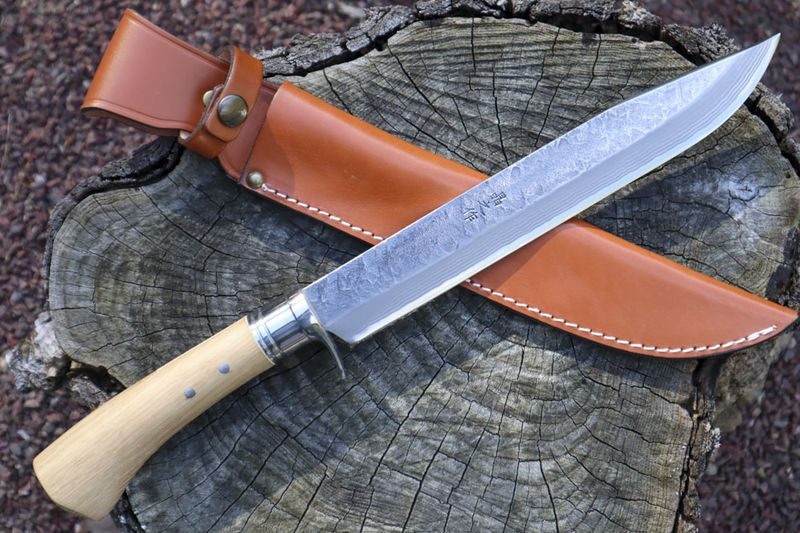 Nankoku, KochiToyokuni豊国鍛工場Tosa forged blades and hatchets
Makes hunting nata knives, outdoor blades and kitchen knives in Kochi.
WebsiteShips overseas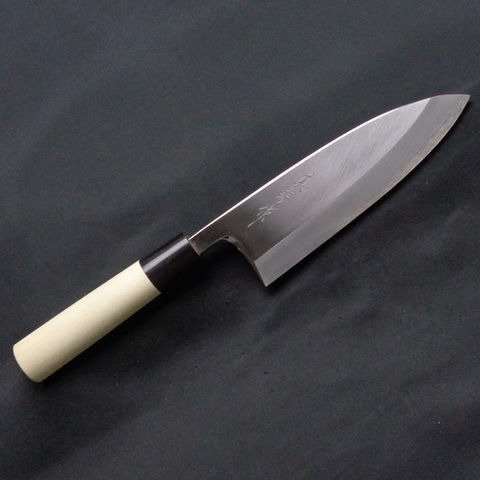 KochiTokuzo Knives徳蔵刃物Tosa forged kitchen knives
Offers Tosa-forged Japanese kitchen knives from its own forge and collaborating bladesmiths.
WebsiteShips overseas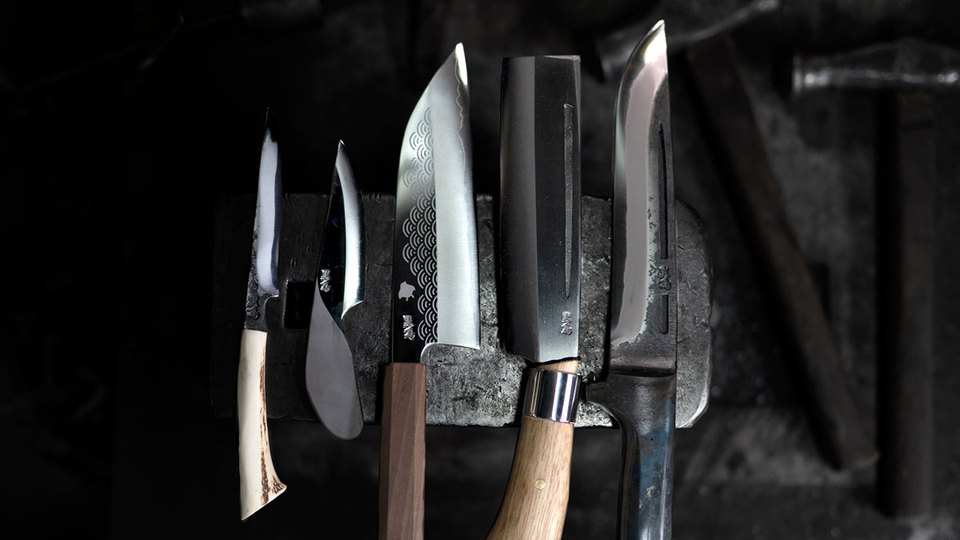 Tosa, KochiTosa Kurotori土佐打刃物 黒鳥Forged knives and blades
Forges Tosa blades, including award-winning butcher knives and other utility cutting tools.
Website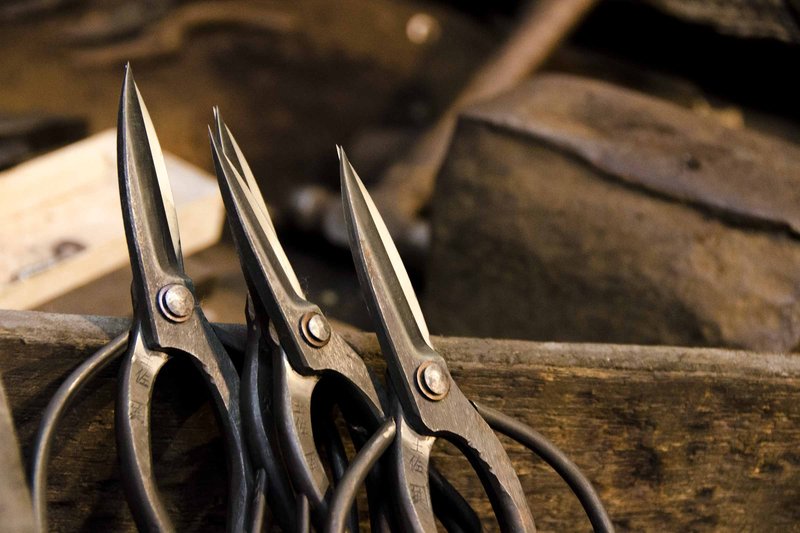 Kochi / InoSasaoka Hasami Seisakusho笹岡鋏製作所Scissors
Hand-forges gardening, flower-arranging and hedge shears using Tosa's free-forging technique.
WebsiteOnline shop ↗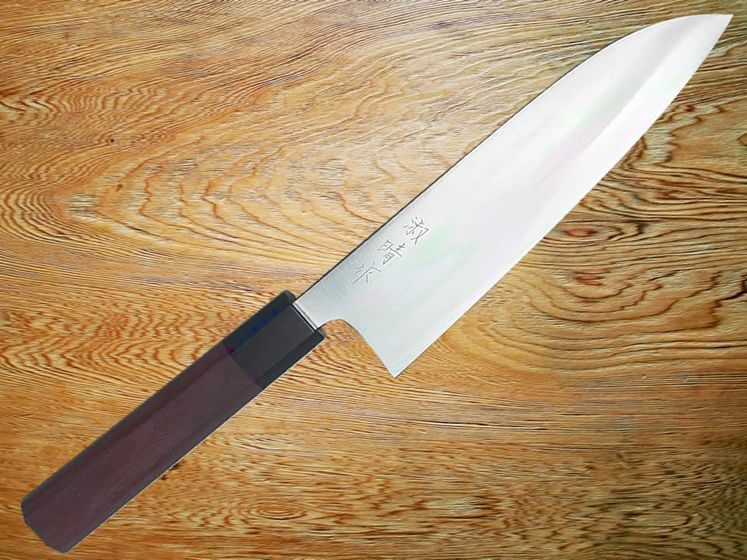 Kochi / SusakiSakoda Hamono迫田刃物Hand-forged Tosa blades
Forges gyuto, versatile funayuki and black-finished kitchen knives using Tosa blade-making techniques.
WebsiteOnline shop ↗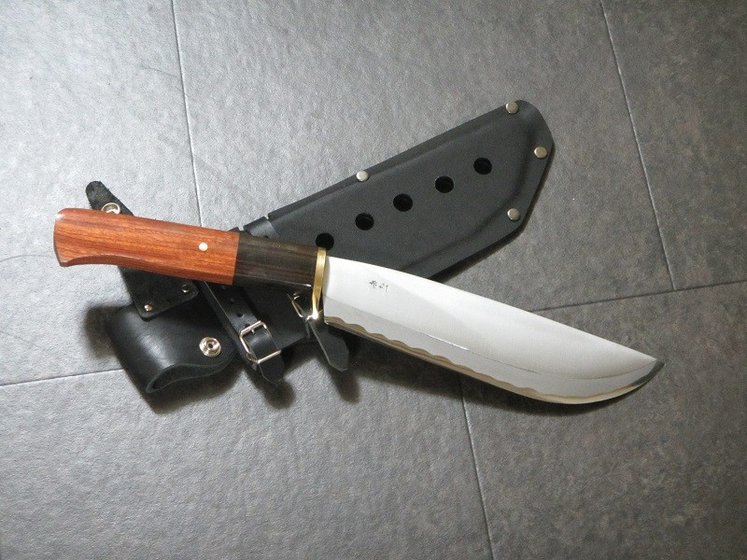 Kochi / KamiBlacksmith Kamimura上村鍛造所Hand-forged Tosa blades
Hand-forges Tosa-style ken-nata, waist-mounted hatchets and outdoor knives.
WebsiteFAQ
FAQ
When were Tosa blades designated a traditional craft?
In 1998.
Are there blades for camping and bushcraft?
Yes — hatchets and small knives for forest work and camping are widely made.
Can I order a custom blade?
Some workshops take custom orders. Contact them directly.